
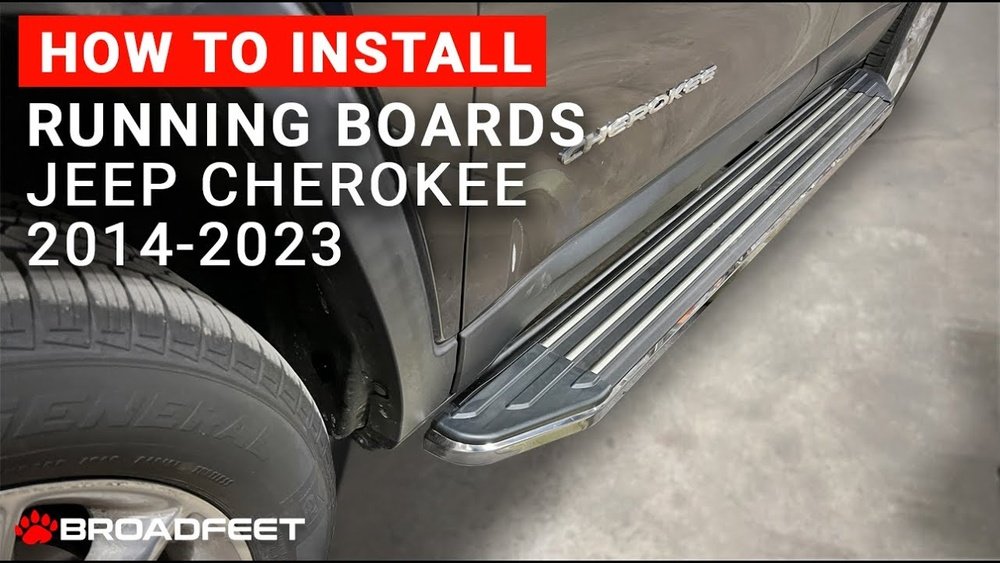
Thinking about adding running boards to your Jeep Grand Cherokee? Many owners want these accessories for easier entry, a stylish look, and added protection. But installing running boards can seem tricky if you have not done it before. The good news: with the right tools and guidance, this is a job most people can do at home, saving money and getting a sense of accomplishment.
This guide explains the complete process step by step. You will learn what tools you need, how to prepare, and the exact installation process for most Jeep Grand Cherokee models. Along the way, you’ll see practical tips, common mistakes, and insights that beginners usually miss.
By the end, you’ll know everything needed to safely and confidently install running boards on your SUV.
Why Install Running Boards On A Jeep Grand Cherokee?
Running boards are not just for style. They have several practical benefits, especially for SUVs like the Grand Cherokee.
- Easier entry and exit: The Grand Cherokee sits higher than regular cars. Running boards give you a step up, making it easier for children, elderly, or shorter passengers to get in and out.
- Protects your doors and lower body: They help shield the sides of your vehicle from rocks, mud, or road debris.
- Enhanced appearance: Many owners like the tough, finished look running boards add to their Jeep.
- Added resale value: Accessories like running boards can make your vehicle more attractive to future buyers.
Choosing The Right Running Boards
Not all running boards are the same. The right choice depends on your needs, style, and budget.
| Type | Main Material | Weight Capacity | Style |
|---|---|---|---|
| Cab Length | Aluminum/Steel | 300-500 lbs | Matches door length |
| Wheel-to-Wheel | Steel | 500+ lbs | Full side coverage |
| Power Retractable | Aluminum/Composite | 300-600 lbs | Folds out automatically |
What To Consider
- Fitment: Make sure the boards are designed for your specific Grand Cherokee model year.
- Weight rating: Check the maximum weight—important for families or frequent use.
- Material: Steel is strong but heavier; aluminum is lighter and resists rust.
- Finish: Choose between chrome, matte black, or textured finishes to match your Jeep.
- Step width: Wider boards offer more foot space but may stick out further.
Tip: Always check customer reviews for real-world fit and durability feedback.
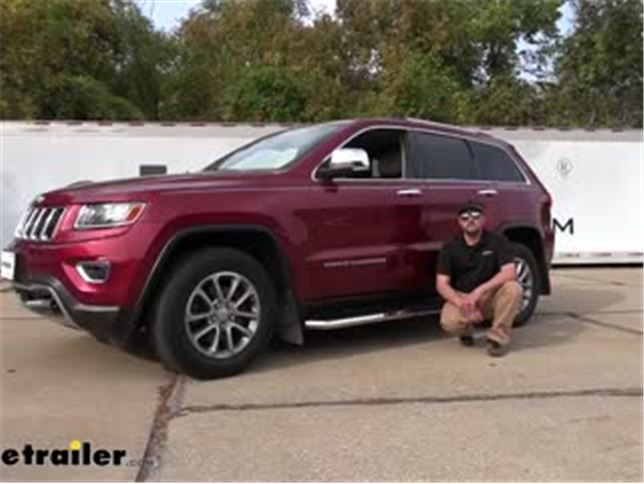
Credit: www.etrailer.com
Tools And Materials Needed
Before starting, gather these tools and supplies:
- Socket set (metric and SAE sizes)
- Wrenches
- Torque wrench (recommended for proper tightening)
- Screwdriver set
- Measuring tape
- Marker or chalk (for marking mounting points)
- Protective gloves
- Safety glasses
- Jack and jack stands (for easier access, not always required)
- Thread locker (optional, for vibration resistance)
Most quality running boards include all the necessary mounting brackets and hardware. Double-check the box before you begin.
Preparation Steps
A little preparation goes a long way. Here’s how to get ready:
- Read the manual: Review both your Jeep’s owner manual and the running board instructions. Each kit can be a little different.
- Inspect the parts: Lay out all pieces to ensure nothing is missing.
- Clean mounting areas: Dirt can affect fit and cause rust. Wipe the lower body and underside where brackets will attach.
- Check for factory holes: Many Grand Cherokees have pre-drilled holes for running boards. Look under the doors for threaded holes or removable plugs.
- Plan your workspace: Make sure you have enough room to work on both sides of the vehicle.
Beginner insight: Some running boards are “universal fit” but require drilling. If you prefer no drilling, confirm your kit is “bolt-on” for your Jeep.

Credit: www.justforjeeps.com
Step-by-step Installation Guide
Now you’re ready for the main job. The steps below cover most Grand Cherokee models from 2011 to current.
1. Position The Vehicle
Park on a flat, stable surface. Engage the parking brake. If using a jack, lift one side at a time and secure with jack stands. Never work under a car supported only by a jack.
2. Locate Mounting Points
Find the mounting locations under the doors. Most models have 3 per side: front, middle, and rear. Remove any plastic plugs covering the holes.
3. Attach Mounting Brackets
- Hold a bracket to the mounting hole and align it as shown in the instructions.
- Insert the supplied bolt or screw and hand-tighten it first. Do not fully tighten yet.
- Repeat for all brackets on one side.
Pro tip: Keep all bolts a little loose so you can adjust the fit later.
4. Test Fit The Running Board
- With brackets loosely attached, hold the running board in place.
- Attach it to the brackets using the supplied hardware.
- Make sure the step is level and lines up with the doors.
- Adjust the brackets as needed.
5. Secure Everything
- Once satisfied with alignment, tighten all bracket-to-frame bolts first (using a torque wrench if possible).
- Next, tighten running board-to-bracket bolts.
- Use a thread locker if you drive on rough roads or want extra vibration resistance.
6. Repeat On The Other Side
Move to the other side and repeat all steps. Most running boards are side-specific, so check the labels (left/right) before installing.
7. Final Checks
- Step on each board gently to test strength.
- Re-tighten any loose bolts.
- Wipe down the boards and clean up the work area.
Common mistake: Some people overtighten bolts, which can strip threads or crack brackets. Always follow the recommended torque.
Special Cases And Model Differences
Jeep Grand Cherokees from different years may have small differences. For example, older models (before 2011) sometimes lack factory mounting holes and need drilling. Always check your specific model’s requirements.
Some power running boards need electrical connections. In these cases:
- Disconnect the battery before wiring.
- Route wires away from hot or moving parts.
- Test all functions before finishing reassembly.
Beginner insight: If you’re not comfortable with wiring, consider professional installation for power boards.
Comparing Dealer Vs. Diy Installation
Thinking about whether to install running boards yourself or let a dealer handle it? Here’s a quick comparison.
| Factor | DIY Installation | Dealer Installation |
|---|---|---|
| Cost | $0 labor (just tools/time) | $200-$400+ |
| Time | 1.5-3 hours | 2-4 hours (including waiting) |
| Skill Required | Basic mechanical | None |
| Warranty | Possible DIY limitations | Usually included |
Most Jeep owners find DIY rewarding and more affordable. Just take your time and follow all safety steps.
Maintenance And Care For Running Boards
After installation, a little care keeps your running boards looking and working great.
- Wash regularly: Road salt and dirt can cause corrosion, especially in winter.
- Check bolts yearly: Vibration can loosen hardware over time.
- Protect the finish: Use car wax or a rubber protectant for textured boards.
- Avoid harsh chemicals: Some cleaners can damage powder coating or paint.
Pro tip: If you notice rust spots, touch them up right away to prevent spreading.
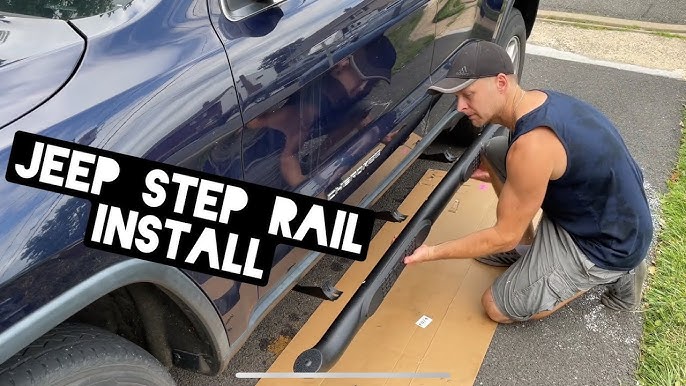
Credit: www.youtube.com
Troubleshooting Common Problems
Even with careful work, small issues can come up:
- Boards feel loose: Check that all brackets and bolts are tight and in the correct holes.
- Rattling noise: Add rubber washers or retighten hardware. Confirm nothing is touching exhaust or suspension parts.
- Uneven fit: Loosen all bolts, realign, and retighten in sequence.
- Water leaks: Make sure any underbody plugs are sealed if removed during installation.
If you have power running boards and they do not deploy, double-check all electrical connections and fuses.
Practical Tips For First-time Installers
- Take photos: Snap pictures of mounting points before starting. This helps if you forget how something looked.
- Work with a friend: Some running boards are heavy or awkward to hold alone. An extra set of hands prevents accidents.
- Use a magnetic tray: This keeps bolts and nuts from getting lost under the car.
- Don’t rush: Allow extra time the first time you do the job. Most mistakes happen when people hurry.
- Test before finishing: Step on the boards gently before final tightening to check for movement or flex.
Beginner insight: If your Jeep is new, installing running boards may impact ground clearance slightly, but the convenience is usually worth it for daily driving.
When To Seek Professional Help
While most installations are DIY-friendly, call a pro if:
- You are not comfortable working under your vehicle
- Your kit requires drilling through metal (which is harder than it looks)
- You are installing power running boards with complicated wiring
- You have a luxury or leased Jeep and want to avoid warranty issues
Certified installers can finish the job in less time and may offer a warranty on their work. For more information on vehicle accessories, you can visit the official Mopar Jeep Accessories site.
Frequently Asked Questions
How Long Does It Take To Install Running Boards On A Jeep Grand Cherokee?
On average, a DIY installation takes about 2 to 3 hours for both sides. First-timers should allow up to 4 hours to go slowly and double-check each step.
Do I Need To Drill Holes In My Jeep Grand Cherokee To Install Running Boards?
Most newer Grand Cherokee models have factory mounting points. No drilling is required for “bolt-on” kits. Some older models or universal running boards may need drilling.
Will Running Boards Affect My Jeep’s Ground Clearance?
Running boards usually sit just below the doors. They may reduce ground clearance by 1-2 inches, but this is rarely a problem for normal road driving or light off-roading.
Can I Install Power Running Boards Myself?
If you have experience with vehicle wiring and are comfortable working with electrical systems, you can install power running boards. Otherwise, professional installation is recommended due to the complexity.
Are Running Boards Safe For Children And Elderly Passengers?
Yes, running boards make it much easier and safer for children, elderly, or anyone with mobility issues to enter and exit the vehicle. Choose a board with a non-slip surface for best results.
Adding running boards to your Jeep Grand Cherokee is one of the most useful upgrades you can do yourself. With the right tools, careful steps, and these tips, you’ll enjoy a safer, more stylish SUV that’s easier for everyone to use.



