
If your Jeep Wrangler’s check engine light just came on and you suspect a P0300 code, you’re probably wondering what’s wrong and how to fix it. This code means your engine is misfiring randomly, which can cause rough idling, poor fuel economy, and even damage over time.
But don’t worry—you don’t have to be a mechanic to understand what’s going on. You’ll learn simple, clear steps to diagnose the P0300 code yourself. By the end, you’ll know exactly where to look and what to check, saving you time, money, and frustration.
Keep reading to get your Jeep running smoothly again.
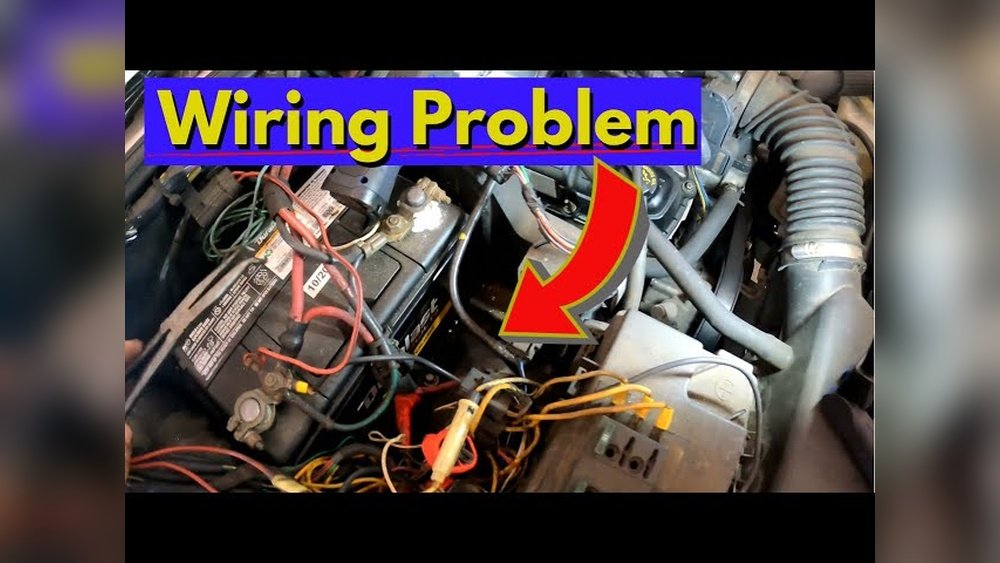
Credit: wranglerjkforum.net
What P0300 Code Means
The P0300 code means your Jeep Wrangler has random engine misfires. This causes rough running and poor performance. Checking spark plugs, ignition coils, and fuel injectors helps find the problem.
The P0300 code signals a random or multiple cylinder misfire in your Jeep Wrangler. This means the engine is not firing correctly in one or more cylinders. The issue causes rough running and can reduce power and fuel efficiency.
Misfires happen when the air-fuel mixture in the cylinder does not ignite properly. The engine control unit (ECU) detects this problem and triggers the P0300 code. This code does not point to a specific cylinder but shows a broader misfire issue.
Symptoms Of P0300 Code
Common signs include rough idle and engine hesitation. You might notice a loss of power during acceleration. The engine may shake or vibrate. Sometimes, the check engine light stays on. Fuel consumption could increase unexpectedly.
Common Causes Of P0300 Code
Ignition problems often cause this code. Faulty spark plugs or wires can lead to misfires. Fuel delivery issues like a clogged injector might be the cause. Vacuum leaks and low compression also trigger misfires. Engine sensors failing can confuse the ECU and cause errors.
Impact Of P0300 Code On Jeep Wrangler
This code affects engine performance and fuel economy. Driving with this issue can damage the catalytic converter. Prolonged misfires may lead to costly repairs. Ignoring the code can cause engine stalling and poor drivability. Prompt diagnosis helps avoid bigger problems.
Common Causes Of P0300 In Jeep Wrangler
The P0300 code in a Jeep Wrangler signals random misfires in the engine. These misfires can cause rough running, poor fuel economy, and increased emissions. Several common issues may trigger this code. Understanding these causes helps in finding the right fix quickly. Below are frequent reasons why the P0300 code appears.
Ignition System Issues
Faulty spark plugs often cause misfires. Worn or dirty plugs fail to ignite the fuel-air mix properly. Ignition coils can also break down and stop sending sparks. Bad spark plug wires create weak sparks or no sparks at all. Any failure in the ignition system can cause random misfires and trigger the P0300 code.
Fuel System Problems
Fuel injectors may become clogged or fail to deliver fuel evenly. A weak fuel pump reduces fuel pressure, leading to lean running. Dirty fuel filters block the fuel flow and cause misfires. Problems in the fuel system reduce engine performance and cause the P0300 code.
Vacuum Leaks
Leaks in the vacuum hoses let extra air enter the engine. This disturbs the air-fuel ratio and causes rough idling. Cracked or loose vacuum lines are common issues. Vacuum leaks often cause random misfires and set off the P0300 code.
Engine Mechanical Faults
Worn piston rings, damaged valves, or a blown head gasket affect engine compression. Low compression causes cylinders to misfire randomly. Mechanical faults reduce engine power and efficiency. These problems often lead to the P0300 code appearing on your Jeep.
Sensor Malfunctions
Faulty sensors send wrong data to the engine control unit. The mass airflow sensor and oxygen sensors are common culprits. Bad sensor signals cause incorrect fuel delivery and timing. Sensor issues frequently cause engine misfires and trigger the P0300 code.
Tools Needed For Diagnosis
A scan tool is essential to read the P0300 code on your Jeep Wrangler. Basic hand tools help check spark plugs and ignition coils. A multimeter can test electrical parts quickly and accurately.
Obd-ii Scanner
An OBD-II scanner is essential for reading the P0300 code. It connects to the Jeep’s diagnostic port. This tool shows trouble codes and live data. It helps identify if misfires are random or specific.
Multimeter
A multimeter tests electrical components like ignition coils and sensors. It measures voltage, resistance, and continuity. This tool confirms if wires and parts work properly.
Spark Plug Socket And Ratchet
Remove spark plugs easily with a spark plug socket and ratchet. Inspect plugs for damage, wear, or fouling. Proper plugs are key to solving misfire issues.
Fuel Pressure Gauge
Check fuel system pressure with a fuel pressure gauge. Low pressure can cause engine misfires. This tool ensures the fuel system delivers the right pressure.
Vacuum Gauge
A vacuum gauge measures engine vacuum. It detects leaks in hoses or intake manifold. Leaks may cause the P0300 misfire code.
Step-by-step Diagnosis Process
Diagnosing a P0300 code on a Jeep Wrangler requires a careful, step-by-step process. This code means the engine has random misfires. Finding the cause can be tricky. You must check each possible problem area. Follow these steps to find the issue clearly and fix it fast.
Check For Other Trouble Codes
Start by using an OBD-II scanner. Look for other codes alongside P0300. Other codes can show related problems. These clues help narrow down the cause. Write down all codes before clearing them. Scan again after repairs to confirm the fix.
Inspect Spark Plugs And Wires
Remove the spark plugs and check their condition. Look for signs of wear, fouling, or damage. Old or dirty plugs cause misfires. Check spark plug wires for cracks or breaks. Replace any damaged parts to restore proper ignition.
Test Fuel Injectors
Fuel injectors must spray fuel evenly. Use a noid light or injector tester to check them. Listen for clicking sounds as a sign of function. Dirty or clogged injectors need cleaning or replacement. Proper fuel flow helps prevent misfires.
Examine Vacuum Lines
Vacuum leaks cause engine running problems. Inspect all vacuum hoses for cracks or loose connections. Use carb cleaner spray to find leaks while engine runs. Fix any leaks by tightening or replacing hoses. This step improves engine performance.
Perform Compression Test
Check cylinder compression to rule out mechanical issues. Use a compression gauge on each cylinder. Low compression indicates worn piston rings or valves. This problem can cause random misfires. Address mechanical faults with proper repairs.
Scan And Test Sensors
Faulty sensors can trigger the P0300 code. Test the crankshaft position sensor and camshaft sensor. Use a multimeter or scan tool for readings. Replace sensors if they give incorrect signals. Accurate sensor data helps the engine run smoothly.
Quick Fixes For P0300 Code
Fixing the P0300 code on a Jeep Wrangler can often be quick and simple. Many common causes have straightforward solutions. These fixes help restore smooth engine performance fast. Try these steps to clear the code and stop the engine misfire.
Replacing Spark Plugs And Wires
Old or worn spark plugs cause weak sparks. This leads to engine misfires. Replace spark plugs with new ones made for your Jeep. Also, check the spark plug wires. Replace any cracked or damaged wires. New plugs and wires improve ignition and engine running.
Cleaning Or Replacing Fuel Injectors
Dirty fuel injectors block fuel flow. This causes uneven engine performance. Clean the injectors using a fuel injector cleaner. If cleaning does not help, replace the faulty injectors. Proper fuel delivery stops the misfire and fixes the P0300 code.
Fixing Vacuum Leaks
Vacuum leaks let extra air enter the engine. This breaks the air-fuel balance. Check all hoses and gaskets for cracks or loose connections. Seal or replace any damaged parts. Fixing vacuum leaks stabilizes engine idle and reduces misfires.
Repairing Faulty Sensors
Sensors like the oxygen or camshaft sensor affect engine timing. Faulty sensors send wrong data to the engine control unit. Test sensors with a scanner tool. Replace any sensors that do not work properly. Accurate sensor signals help stop the P0300 misfire code.
When To Seek Professional Help
Knowing when to seek professional help for a P0300 code in your Jeep Wrangler is crucial. This code signals random misfires that can damage your engine. Some issues might seem easy to fix but need expert attention. Avoid risking further damage by acting at the right time.
Persistent Engine Misfires
If your engine keeps misfiring after basic checks, call a mechanic. Continuous misfires can harm engine parts. A professional can diagnose deep problems that simple fixes miss.
Multiple Error Codes Appear
Seeing many error codes along with P0300 means complex issues. Professionals use advanced tools to find the root cause quickly. This saves time and avoids trial and error repairs.
Unusual Noises Or Smells
Strange sounds or burning smells from the engine need immediate inspection. These signs often mean serious trouble. Experts can identify and fix safety risks fast.
Poor Engine Performance
Sudden loss of power, rough idling, or stalling suggests urgent help. Professionals understand how to restore engine health. They ensure your Jeep runs smoothly again.
Failed Diy Repairs
If your attempts to fix the P0300 code fail, consult a pro. Incorrect repairs can worsen the problem. Certified mechanics have the skills and tools to solve tough issues right.
Tips To Prevent P0300 Code Recurrence
Preventing the P0300 code from coming back is key to keeping your Jeep Wrangler running smoothly. This code signals random misfires in the engine. Misfires can cause rough driving and damage if ignored.
Simple steps help avoid this problem again. Regular care and checks keep your engine healthy and reduce chances of misfires. Follow these tips to lower the risk of P0300 code recurrence.
Check And Replace Spark Plugs Regularly
Old or worn spark plugs cause misfires. Inspect plugs every 30,000 miles. Replace them if they look damaged or dirty. New spark plugs improve ignition and engine performance.
Keep Fuel System Clean
Dirt in fuel injectors can cause uneven fuel flow. Use a fuel system cleaner once in a while. Clean injectors help smooth engine running and stop misfires.
Inspect Ignition Coils Often
Faulty ignition coils lead to weak sparks. Test coils if your engine misfires. Replace any coil that shows signs of failure. Good coils create strong sparks for proper combustion.
Maintain Proper Air Filter Condition
A dirty air filter limits airflow to the engine. Check the filter every 12,000 miles. Replace it if dirty or clogged. Fresh air filters help the engine breathe and run well.
Use Quality Fuel
Low-quality fuel can cause engine knocking and misfires. Choose fuel from trusted stations. Good fuel protects your engine and avoids P0300 code problems.
Check Engine Sensors Regularly
Faulty sensors confuse the engine control unit. Test sensors like oxygen and mass airflow sensors. Replace faulty sensors to keep the engine running smoothly.

Credit: www.youtube.com
Credit: www.cgsulitstore.com
Frequently Asked Questions
What Does The P0300 Code Mean For Jeep Wrangler?
The P0300 code signals a random or multiple cylinder misfire. This means the engine is misfiring in various cylinders, affecting performance and fuel efficiency.
How To Identify Symptoms Of P0300 Code In Jeep Wrangler?
Common symptoms include rough idle, engine hesitation, reduced power, and increased fuel consumption. A check engine light usually appears, indicating misfires.
What Are Common Causes Of P0300 Code In Jeep Wrangler?
Causes include faulty spark plugs, ignition coils, fuel injectors, vacuum leaks, or a malfunctioning engine control unit (ECU). Diagnosing each is essential.
How To Diagnose The P0300 Code Step-by-step?
Start by checking spark plugs and ignition coils for damage. Inspect fuel injectors and vacuum lines. Use an OBD-II scanner to confirm the code.
Conclusion
Diagnosing the P0300 code in your Jeep Wrangler helps avoid bigger problems. Start by checking spark plugs, wires, and fuel system. Keep an eye on engine performance and listen for odd sounds. Simple steps can save time and money. Stay patient and methodical during the process.
This approach ensures your Jeep runs smoothly again. Understanding the cause leads to better repairs and safer drives. Trust your skills and take one step at a time.



