Looking to boost your Jeep Wrangler’s performance and sound? Installing a cat back exhaust is one of the best upgrades you can make, and it’s easier than you might think.
In this guide, you’ll learn exactly how to install a cat back exhaust step-by-step, even if you have little to no experience. By the end, your Jeep will not only sound more aggressive but also run smoother. Ready to get started and transform your ride?
Let’s dive in!
Tools And Materials Needed
Installing a cat back exhaust on a Jeep Wrangler needs the right tools and materials. Having everything ready makes the job easier and faster. It also helps avoid mistakes or delays.
This section lists all tools and materials needed. Each item plays a key role in the installation process. Use this as a checklist before you start.
Basic Hand Tools
Wrenches and sockets are essential for loosening and tightening bolts. A ratchet set with various sizes will help. Screwdrivers are needed for clamps or brackets. Pliers come in handy for gripping and cutting.
Jack And Jack Stands
Raise your Jeep safely to access the exhaust system. A quality floor jack lifts the vehicle. Jack stands hold it securely in place. Never work under a car without proper support.
Penetrating Oil
Old bolts often get stuck or rusted. Penetrating oil loosens these bolts. Spray it on and wait a few minutes. This reduces the risk of broken bolts during removal.
Replacement Exhaust Parts
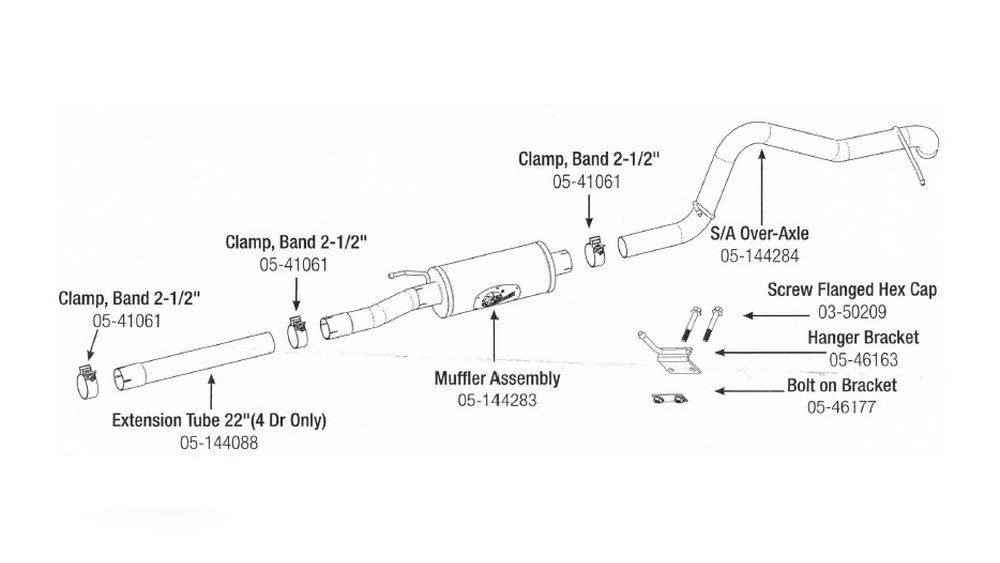
The cat back exhaust kit includes pipes, mufflers, and clamps. Check that all parts fit your Jeep model. Some kits come with extra gaskets or hardware. Have these ready to avoid stopping midway.
Safety Gear
Protect yourself while working. Use safety glasses to shield your eyes. Gloves protect your hands from sharp edges. Wear long sleeves to avoid burns or scrapes.
Preparing Your Jeep Wrangler
Preparing your Jeep Wrangler before installing a cat-back exhaust is important. It helps make the process safe and smooth. You need the right tools and a clean workspace. Taking time to prepare also protects your vehicle and yourself.
Safety Precautions
Always wear safety glasses to protect your eyes. Use gloves to avoid cuts and burns. Make sure the engine is cool before starting work. Work in a well-ventilated area to avoid harmful fumes. Keep a fire extinguisher nearby, just in case.
Raising The Vehicle
Use a jack to lift the Jeep off the ground. Place jack stands under the frame for support. Never rely only on the jack for safety. Make sure the vehicle is stable before crawling underneath. This step gives you space to remove and install parts easily.
Removing The Old Exhaust
Locate the bolts connecting the old exhaust to the Jeep. Spray them with a rust remover to loosen tight bolts. Use the correct wrench or socket to unscrew the bolts. Carefully detach the exhaust from the hangers. Remove the old exhaust system completely before installing the new one.
Installing The Cat Back Exhaust
Installing the cat back exhaust on your Jeep Wrangler can improve performance and sound. This process requires care and the right steps. Follow this guide to fit your new exhaust correctly and safely.
Positioning The New Exhaust
Start by placing the new cat back exhaust under your Jeep. Align it with the factory exhaust system. Make sure the pipes match the original hangers and mounting points. Adjust the position so the exhaust sits evenly without touching the frame or other parts.
Securing The Components
Use the clamps and bolts that came with the exhaust kit. Tighten them by hand first to keep parts in place. Check the alignment again before fully tightening. Use a wrench to secure all connections firmly. Avoid over-tightening to prevent damage to the pipes.
Checking For Proper Fit
Look under the Jeep to confirm the exhaust is not too close to heat-sensitive parts. Ensure it moves slightly without rattling. Start the engine and listen for leaks or unusual noises. Tighten any loose clamps if needed. A good fit means better performance and longer exhaust life.

Credit: www.youtube.com
Final Adjustments And Testing
After installing the cat back exhaust on your Jeep Wrangler, it is important to complete the final adjustments and testing. This step ensures everything fits tightly and works well. Proper finishing can help avoid future problems and improve performance.
Take your time during this phase. Double-check all connections and listen for unusual sounds. This process will confirm your installation is safe and efficient.
Tightening Bolts
Start by tightening all bolts securely. Use a wrench to make sure none are loose. Loose bolts can cause rattling or leaks.
Work on each bolt evenly. Avoid over-tightening to prevent damage. Tight bolts keep the exhaust system stable during driving.
Inspecting For Leaks
Check for leaks around the joints and clamps. Look for any holes or gaps where air might escape. A leak can reduce performance and increase noise.
Run your hand near the connections carefully. Feel for escaping air or unusual heat. Fix any leaks before driving your Jeep.
Test Drive Tips
Take a short drive to test the exhaust system. Listen for strange noises like rattles or hisses. Notice if the Jeep feels smoother or louder.
Drive at different speeds and listen carefully. If you hear issues, stop and inspect again. Testing helps ensure your exhaust works properly on the road.
Maintenance Tips For Exhaust System
Maintaining your Jeep Wrangler’s cat back exhaust system keeps it working well and lasting longer. Regular care stops rust and damage. Simple checks catch problems early. Clean parts help the exhaust flow freely. Proper maintenance saves money on repairs later.
Inspect For Rust And Damage
Look closely at the exhaust pipes and muffler. Rust weakens metal and causes holes. Check for cracks or dents. Fix small issues fast to avoid bigger problems. Use a flashlight in dark spots.
Clean The Exhaust System
Remove dirt and mud from the exhaust parts. Use a wire brush for rust spots. Wipe surfaces with a damp cloth. Avoid harsh chemicals that can harm metal. Clean parts help prevent blockages.
Check Exhaust Mounts And Hangers
Exhaust mounts hold the system tightly. Loose mounts cause noise and wear. Check rubber hangers for cracks or breaks. Replace damaged mounts to keep the system steady.
Listen For Unusual Noises
Strange sounds may mean leaks or damage. A loud rumble or hissing noise needs attention. Listen during startup and driving. Early detection avoids costly repairs.
Schedule Regular Professional Inspections
Have a mechanic check the exhaust system yearly. Professionals spot hidden issues fast. They clean and tighten parts properly. Regular inspections keep your Jeep safe and efficient.

Credit: www.youtube.com

Credit: www.northridge4x4.com
Frequently Asked Questions
What Tools Are Needed To Install A Cat-back Exhaust On Jeep Wrangler?
You need basic tools like a ratchet set, wrenches, jack stands, and penetrating oil. A rubber mallet helps loosen parts. Safety gloves and eye protection are also essential.
How Long Does It Take To Install A Cat-back Exhaust?
Installation usually takes 1 to 2 hours. It depends on your experience and tool availability. Taking your time ensures a secure and proper fit.
Will A Cat-back Exhaust Improve Jeep Wrangler Performance?
Yes, it enhances exhaust flow, boosting horsepower and torque. It also improves fuel efficiency and produces a deeper exhaust sound.
Can I Install A Cat-back Exhaust Without Professional Help?
Yes, if you have basic mechanical skills and tools. Follow step-by-step instructions carefully to avoid damage or injury. Watching tutorial videos can be very helpful.
Conclusion
Installing a cat back exhaust on your Jeep Wrangler can boost its sound and performance. Take your time and follow each step carefully. Use the right tools and safety gear to avoid problems. Double-check all connections to prevent leaks. Enjoy the improved drive and the unique sound your Jeep makes.
Keep your exhaust system clean and well-maintained for best results. Simple upgrades like this can make your Jeep more fun to drive. You’ve got this!