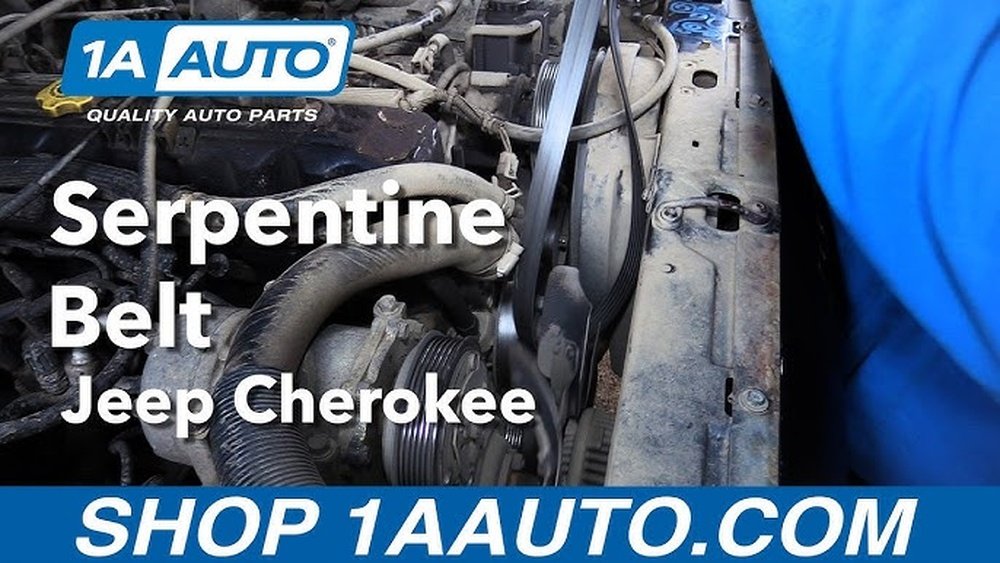
If your Jeep Cherokee is making squealing noises or you notice cracks on the serpentine belt, it’s time for a replacement. Knowing how to replace your serpentine belt can save you money and prevent unexpected breakdowns.
In this guide, you’ll find simple, step-by-step instructions that anyone can follow, even if you’re not a mechanic. By the end, you’ll feel confident handling this essential maintenance task yourself. Keep reading to learn how to keep your Jeep running smoothly and avoid costly repairs down the road.

Credit: www.youtube.com
Tools Needed
Replacing the serpentine belt on a Jeep Cherokee requires the right tools. Having the correct tools ready makes the job easier and faster. It also helps avoid damage to your vehicle. This section lists all tools you need before starting the replacement.
Essential Tools List
- Socket wrench set with various sizes
- Serpentine belt tool or long-handled ratchet
- Breaker bar for extra leverage
- Torque wrench to tighten bolts correctly
- Screwdrivers (flathead and Phillips)
- New serpentine belt specific to your Jeep Cherokee model
- Flashlight or work light for better visibility
- Gloves to protect your hands from cuts and dirt
Safety Gear
Safety is important during any car repair. Protect your eyes with safety goggles. Wear gloves to avoid cuts and burns. Use closed-toe shoes to protect your feet. Avoid loose clothing or jewelry that can get caught. Keep a fire extinguisher nearby just in case. Working safely prevents injuries and helps complete the job smoothly.
Credit: www.photonics.ipb.ac.rs
Locate The Serpentine Belt
Finding the serpentine belt on your Jeep Cherokee is the first step in replacing it. The serpentine belt moves many important parts of your engine. Knowing its location helps you work safely and efficiently. This section guides you through the process.
Open The Hood
Start by opening the Jeep Cherokee’s hood. Look for the hood latch inside the vehicle, usually below the dashboard. Pull the latch, then go to the front of the car. Lift the hood and secure it with the prop rod or hood support. Make sure the engine is cool before you touch anything.
Identify Belt Components
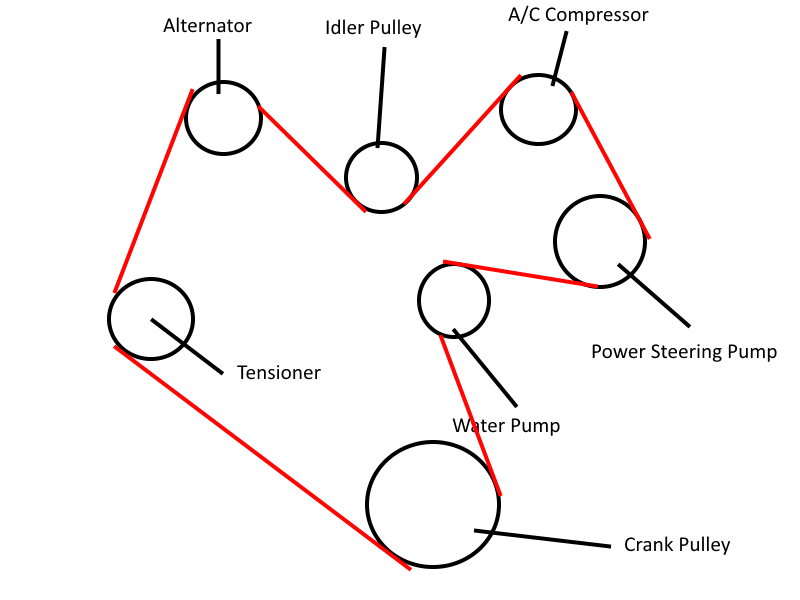
Look at the front of the engine. You will see a long, thin belt wrapped around several pulleys. This is the serpentine belt. It connects parts like the alternator, power steering pump, and air conditioner compressor. Notice the belt’s path and the pulleys it touches. This helps in removing and installing the new belt correctly.
Remove The Old Belt
Removing the old serpentine belt from your Jeep Cherokee is the next key step. This process frees up space to install the new belt easily. It requires careful handling to avoid damage to other parts. Follow these simple steps to remove the old belt safely and smoothly.
Release Belt Tension
Locate the belt tensioner pulley on the engine. Use a wrench or a belt tensioner tool to turn the tensioner. This action loosens the belt’s grip on the pulleys. Hold the tensioner in the released position while you work. This step is crucial to slide the belt off without resistance.
Slide Off The Belt
With the tension released, carefully slide the belt off the pulleys. Start from the easiest pulley to reach. Gently pull the belt away from each pulley one by one. Avoid forcing the belt to prevent damaging the pulleys. Once free, remove the belt completely from the engine bay.
Inspect The Belt And Pulleys
Inspecting the serpentine belt and pulleys is a crucial step before replacement. It helps find signs of damage and wear early. This inspection ensures the new belt will work well and last longer. Taking time to check these parts saves trouble later.
Check For Wear And Damage
Look closely at the belt surface. Cracks, fraying, or missing pieces show wear. A shiny or glazed belt means it is slipping. Check the belt edges for uneven wear. Any damage means the belt needs replacement.
Examine Pulleys For Issues
Spin each pulley by hand. They should turn smoothly without noise. Listen for squeaks or grinding sounds. Check for wobbling or looseness in the pulleys. Damaged pulleys can harm the new belt. Replace any pulley that shows problems.
Install The New Belt
Installing the new serpentine belt on your Jeep Cherokee is a crucial step. It ensures your engine accessories work properly. Take your time to place the belt correctly. A wrong installation can cause damage or noise.
Follow the steps carefully. Check the belt’s path before tightening. This helps prevent mistakes and keeps the belt from slipping off.
Follow Belt Routing Diagram
Locate the belt routing diagram under the hood or in the owner’s manual. This diagram shows the exact path the belt must follow. Match the new belt to this path precisely. Each pulley has a specific place on the belt. Skipping this step can cause the belt to wear out fast or break.
Fit the belt over each pulley one by one. Start with the smallest pulleys first. Leave the tensioner pulley for last. This pulley keeps the belt tight and secure.
Apply Tension Properly
Use a wrench or a tensioner tool to move the tensioner pulley. This pulley is spring-loaded and moves to create slack. Slide the belt onto the tensioner pulley. Slowly release the tool to let the tensioner pull the belt tight.
Check the belt’s tightness by pressing down on it. It should not move more than half an inch. Too loose or too tight can cause problems. Adjust if needed by repositioning the belt or tensioner.
Test The Installation
After replacing the serpentine belt on your Jeep Cherokee, testing the installation is key. This step ensures the belt fits correctly and works smoothly. Proper testing helps prevent damage and keeps the engine running well.
Start The Engine
Turn the ignition to start the engine. Watch the belt as the engine runs. The belt should move smoothly over the pulleys. No slipping or jumping should happen. If the belt stays tight and steady, the installation is correct.
Listen For Unusual Noises
Pay close attention to sounds from the engine area. A good belt will be quiet. Squealing or chirping noises mean the belt may be loose or misaligned. Strange sounds need immediate checking. Fix any issues before driving the vehicle.
Maintenance Tips
Maintaining the serpentine belt in your Jeep Cherokee is key to its performance. Regular care helps avoid unexpected breakdowns and costly repairs. Knowing how to spot issues early keeps your engine running smoothly.
Regular Belt Checks
Check the serpentine belt every few months or 10,000 miles. Look for cracks, fraying, or shiny spots on the belt surface. These signs show wear and tear. Use a flashlight to see the belt clearly. Also, listen for squealing sounds when the engine runs. These sounds suggest the belt might be loose or slipping.
Signs To Replace Belt
Replace the belt if you find deep cracks or missing chunks. A belt that looks glazed or shiny can slip easily. If the belt feels brittle or stiff, it is time for a new one. Also, if the belt makes noise even after tightening, replace it. Changing the belt early prevents damage to other engine parts.
Credit: el-greco.ru
Frequently Asked Questions
How Often Should I Replace Jeep Cherokee Serpentine Belt?
Replace the serpentine belt every 60,000 to 100,000 miles. Inspect it regularly for cracks or wear. Timely replacement prevents breakdowns and engine damage.
What Tools Are Needed To Replace Serpentine Belt?
You need a serpentine belt tool or a wrench, a new belt, and a belt routing diagram. Having these tools ensures a smooth and safe replacement process.
How Do I Find The Correct Serpentine Belt Size?
Check your Jeep Cherokee’s owner manual or under the hood for a belt diagram. You can also use your vehicle’s year and engine type to find the correct size online.
Can I Replace The Serpentine Belt Myself Safely?
Yes, if you follow proper instructions and safety precautions. Make sure the engine is off and cool. Use the correct tools and belt routing diagram for your Jeep Cherokee.
Conclusion
Replacing the serpentine belt on your Jeep Cherokee keeps the engine running smoothly. Regular checks prevent sudden breakdowns and costly repairs. Follow the steps carefully to ensure proper installation. Take your time and use the right tools. A well-maintained belt helps your vehicle last longer.
Remember, safety comes first during any repair work. Now you can handle this task with confidence and save money. Simple maintenance goes a long way for your Jeep’s health. Keep an eye on the belt’s condition regularly. Good job taking care of your Jeep!