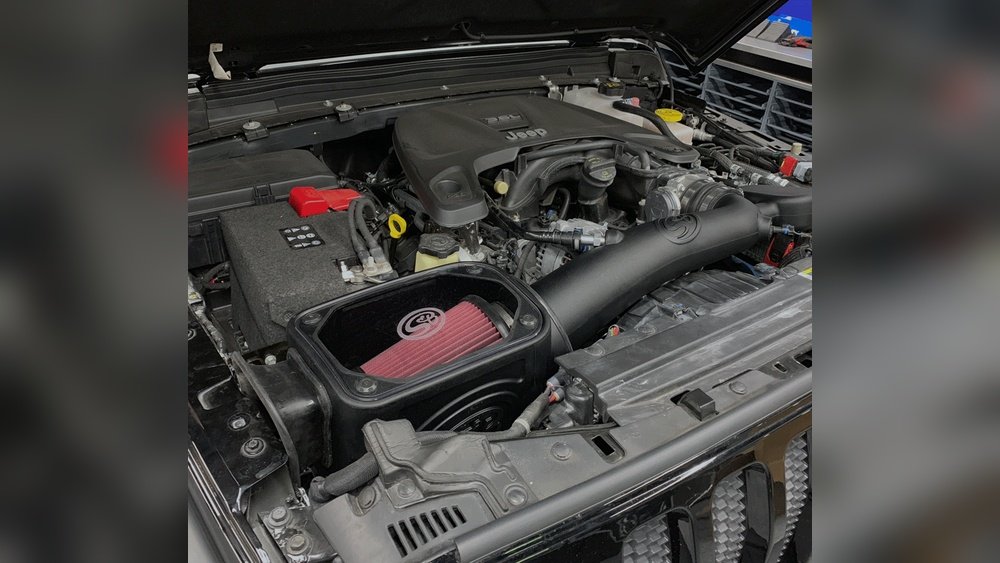
Jeep Wrangler owners love improving their vehicles. One popular upgrade is the cold air intake. This upgrade can give your engine more power, better fuel economy, and a more exciting sound. But adding a cold air intake is not just about buying a kit and snapping it in. You need to choose the right parts, prepare your tools, and follow careful steps. This guide will walk you through everything you need to know about installing a cold air intake on your Jeep Wrangler.
Why Add A Cold Air Intake To A Jeep Wrangler?
The engine in your Jeep Wrangler needs air to make power. The standard air intake pulls warm air from the engine bay. A cold air intake pulls cooler air from outside the engine, which is denser and has more oxygen. This helps your engine make more horsepower and torque. Many owners report gains of 5 to 15 horsepower, depending on the model and the cold air intake you choose.
Beyond power, cold air intakes also:
- Improve throttle response.
- Can increase fuel efficiency by 1-2 miles per gallon.
- Give your Jeep a deeper, more aggressive sound.
However, you should know that results vary. Some drivers may not notice a big change, especially if the rest of the engine is stock. But for most Jeep enthusiasts, the benefits are worth it.
What You Need Before You Start
Installing a cold air intake is a moderate DIY job. You don’t need to be a professional mechanic, but you do need patience and the right tools. Here’s what you’ll need:
- Cold air intake kit (make sure it fits your Wrangler’s year and engine)
- Flathead and Phillips screwdrivers
- Socket wrench set (metric and SAE sizes)
- Pliers
- Clean shop towels
- Small cup for screws/bolts
- Safety gloves and glasses
Check your kit’s instructions for any special tools. Some kits include everything you need, while others require extra hose clamps or gaskets.

Credit: www.youtube.com
Choosing The Right Cold Air Intake Kit
Not all cold air intakes are the same. Some are designed for maximum airflow, while others focus on engine protection. Here are a few things to consider:
- Material: Most kits use plastic, metal, or carbon fiber. Plastic is good for heat resistance, while metal can improve looks but may soak up heat.
- Filter type: Oiled filters catch more dirt but need special cleaning. Dry filters are easier to maintain but may not last as long.
- Fit and compatibility: Make sure the kit is for your exact Wrangler model and engine size.
- Brand reputation: Stick with brands known for quality, such as K&N, AEM, or aFe.
- Warranty: Some kits void your engine warranty if not installed correctly. Always check before you buy.
Here’s a quick comparison of popular Jeep Wrangler cold air intake kits:
| Brand | Material | Filter Type | Estimated Power Gain |
|---|---|---|---|
| K&N | Plastic/Metal | Oiled | +10 HP |
| AEM | Aluminum | DryFlow | +7 HP |
| aFe | Plastic/Metal | Oiled/Dry | +12 HP |
Non-obvious tip: Some states have strict emissions laws. Check if your new intake is legal in your area.
Step-by-step Guide: How To Add A Cold Air Intake
Ready to start? Here’s a detailed process for installing a cold air intake on your Jeep Wrangler.
1. Preparation And Safety
Park your Jeep on a flat surface and let the engine cool. Open the hood and disconnect the negative battery terminal. This step is important for safety and to avoid triggering error codes.
Lay out your tools and the new intake kit. Read the kit’s instructions carefully. Each kit is slightly different.
2. Remove The Stock Intake
Find the air intake tube and air box on the driver’s side of the engine bay. The air box is usually a large black plastic box.
- Use a screwdriver or socket to loosen the hose clamp at the throttle body.
- Disconnect any sensors from the intake tube (usually a mass airflow sensor).
- Remove any small hoses attached to the air box.
- Undo the bolts or clips holding the air box in place.
- Lift out the air box and intake tube as one piece.
Be gentle with sensors and hoses. Breaking them can cause engine problems.
3. Clean The Area
With the stock intake removed, use a shop towel to clean around the throttle body and engine bay. Dirt or debris can damage your engine if it gets inside.
4. Install The New Cold Air Intake
Follow the instructions in your kit, but the basic process is similar for all brands:
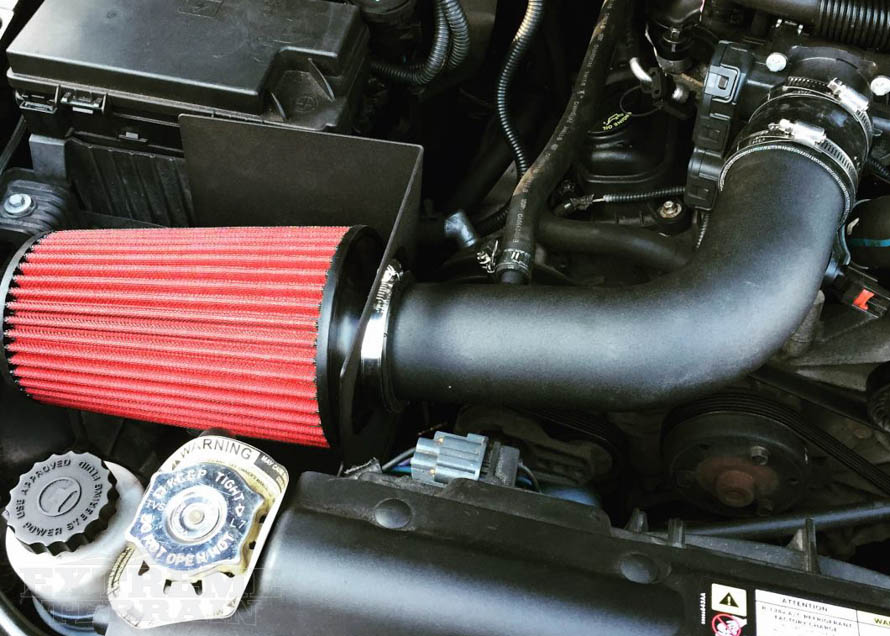
- Attach the new intake tube to the throttle body using the provided coupler and hose clamps.
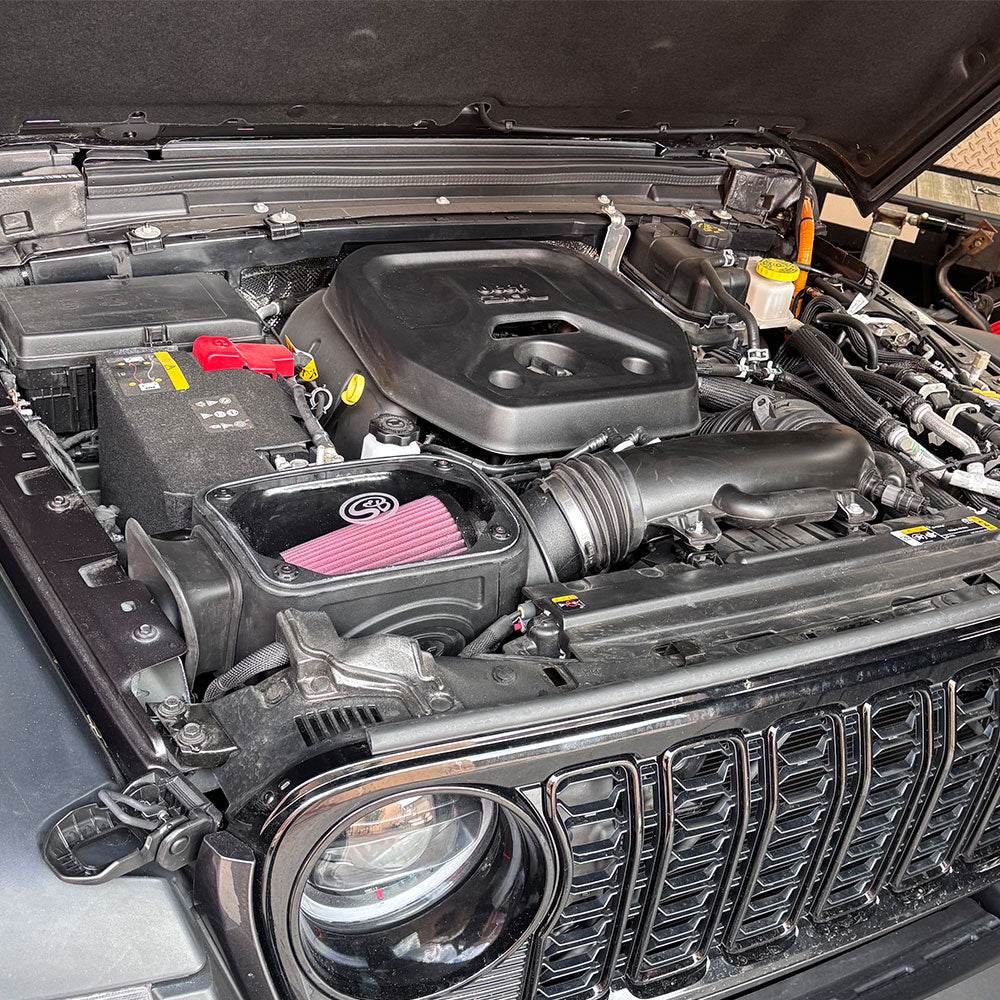
- Secure the heat shield or air filter box in the factory location. Some kits use the stock mounting points; others include new brackets.
- Slide the filter onto the open end of the intake tube. Tighten the clamp.
- Reconnect all sensors and hoses. Make sure they are clicked in securely.
- Double-check all bolts and clamps for tightness.
Here’s a quick look at the main installation steps for most intakes:
| Step | Action | Tip |
|---|---|---|
| 1 | Remove battery cable | Prevents electrical problems |
| 2 | Take out stock intake | Save original parts for warranty |
| 3 | Install new intake tube | Do not overtighten clamps |
| 4 | Add air filter | Filter must face cold air source |
| 5 | Reconnect sensors and hoses | Check for secure fit |
5. Double-check And Start The Engine
Before you close the hood, go over every connection. Make sure the filter is seated well, clamps are tight, and nothing is loose. Reconnect the negative battery cable.
Start the engine and let it idle for a minute. Listen for any air leaks (hissing sounds) or check engine lights. If you hear odd noises or see a warning light, turn off the engine and inspect your work.
Extra insight: Some Jeep Wranglers may run rough for a few minutes as the computer adjusts to the new airflow. This usually fixes itself within a short drive.
Credit: www.extremeterrain.com
What To Expect After Installation
You may feel the difference right away, especially when you press the gas pedal. The engine should sound deeper and more powerful. You might also see a small bump in fuel economy after a few drives.
Real-world example: Many Wrangler owners on forums report improved throttle response and a more enjoyable driving experience after installing a cold air intake. However, don’t expect race-car performance—think of it as a nice improvement, not a full transformation.
One detail beginners often miss: Cold air intakes may require cleaning or re-oiling the air filter every 15,000 to 30,000 miles. Not maintaining the filter can cause engine problems over time.
Common Mistakes To Avoid
- Skipping the battery disconnect: This can trigger engine codes or electrical problems.
- Forgetting to reconnect sensors: The mass airflow sensor is easy to overlook.
- Overtightening clamps: This can crack plastic parts or damage seals.
- Using the wrong kit: Double-check fitment before starting work.
- Throwing away stock parts: Keep them in case you need to reinstall for warranty or emissions tests.
Maintenance After Installation
Taking care of your cold air intake is key for long-term performance. Here’s what you should do:
- Check the air filter every oil change. Clean or replace as needed.
- Inspect all clamps, hoses, and sensors for tightness every few months.
- Listen for any unusual sounds under the hood.
- If you cross deep water, remove the filter to check for moisture. Water in the intake can damage the engine.
Here’s a simple maintenance schedule:
| Maintenance Task | Frequency | Notes |
|---|---|---|
| Check filter | Every oil change | Clean or replace as needed |
| Inspect clamps | Every 3 months | Tighten if loose |
| Check for leaks | After off-road use | Look for water or dust |
Extra Tips For Off-road Jeep Owners
If you take your Wrangler off-road, a cold air intake can be both an advantage and a risk. The higher airflow helps in dusty environments, but the low position of some filters can draw in water during river crossings.
- Consider a snorkel if you drive through deep water often.
- Use a pre-filter sock to keep out dust and debris.
- After a dusty trip, clean the filter as soon as possible.
Where To Learn More
For more details and discussions about cold air intakes, check out the Jeep forums or the official Mopar parts site. You can also find installation videos on YouTube for your specific Wrangler model. For technical information, visit this Wikipedia article.
Upgrading your Jeep Wrangler with a cold air intake is a practical way to get a little more from your engine. With the right tools, careful steps, and regular maintenance, you’ll enjoy better performance and a more exciting drive.
Frequently Asked Questions
How Much Horsepower Does A Cold Air Intake Add To A Jeep Wrangler?
Most cold air intake kits add between 5 and 15 horsepower. The exact amount depends on your Wrangler’s engine and the intake brand. While it’s not a huge boost, you will likely notice better throttle response and a deeper engine sound.
Will A Cold Air Intake Void My Jeep Warranty?
Not always, but it depends on your dealer and the part. Most quality intakes will not void the warranty if installed correctly. However, damage caused by poor installation or a faulty kit might not be covered. Always keep your stock parts and check with your dealer before installing.
How Often Should I Clean The Cold Air Intake Filter?
Clean the filter every 15,000 to 30,000 miles, or more often if you drive in dusty areas. Some filters are washable and reusable, while others need to be replaced. Follow the instructions included with your intake kit.
Can I Install A Cold Air Intake Myself, Or Do I Need A Mechanic?
Most Jeep owners can install a cold air intake at home with basic tools. The process takes about 1-2 hours. If you are not comfortable working under the hood, a mechanic can do it for you.
Is A Cold Air Intake Safe For Off-roading?
Yes, but with caution. A cold air intake improves airflow but can also suck in water or dirt if not maintained. Use a pre-filter or snorkel for heavy off-road use. Always check the filter after driving in harsh conditions.
Credit: sbfilters.com