
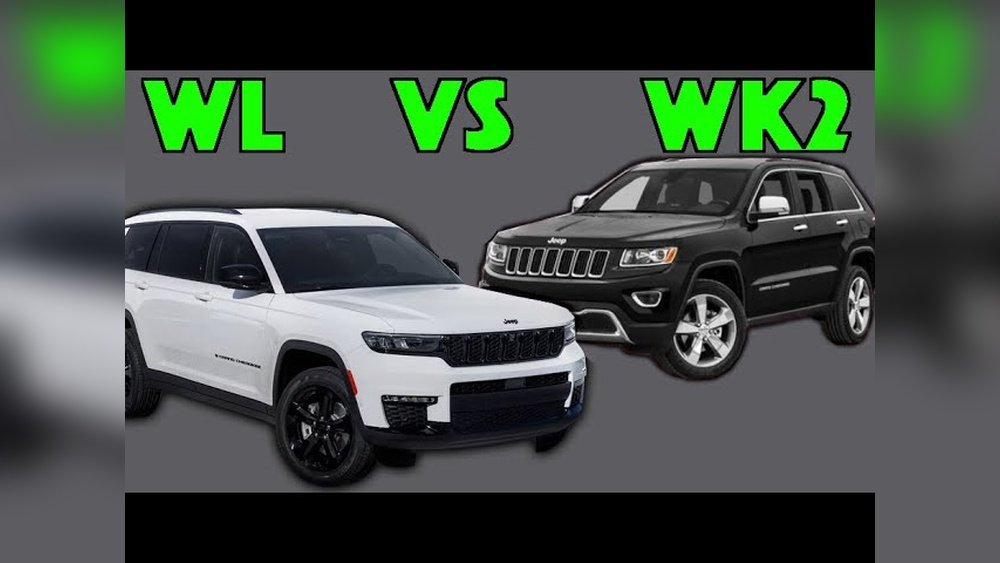
The Jeep Grand Cherokee is one of the most popular midsize SUVs in the world. Over the years, it has earned a reputation for its mix of off-road ability, comfort, and style. Two of its most talked-about generations are the WK2 (2011–2021) and the WL (2022–present). If you are considering buying a Grand Cherokee, it’s important to know how the WK2 and WL compare. This article explains their key differences, strengths, and weaknesses to help you make the right choice.
Background: Wk2 And Wl Generations
The WK2 Grand Cherokee debuted in 2011 and continued until 2021. It was a major step forward for Jeep. The WK2 brought better ride quality, improved interiors, and new technology compared to older models. It was a top choice for families and adventure lovers.
The WL Grand Cherokee arrived in 2022 as a fully redesigned model. It introduced new engines, modern tech features, and a fresh look inside and out. Jeep also added a three-row version called the Grand Cherokee L.
Both generations have their fans. Understanding their differences will help you decide which one suits your needs better.
Exterior Design And Dimensions
At first glance, both SUVs look strong and ready for any road, but their designs reflect different eras.
Wk2: Classic, Rugged Styling
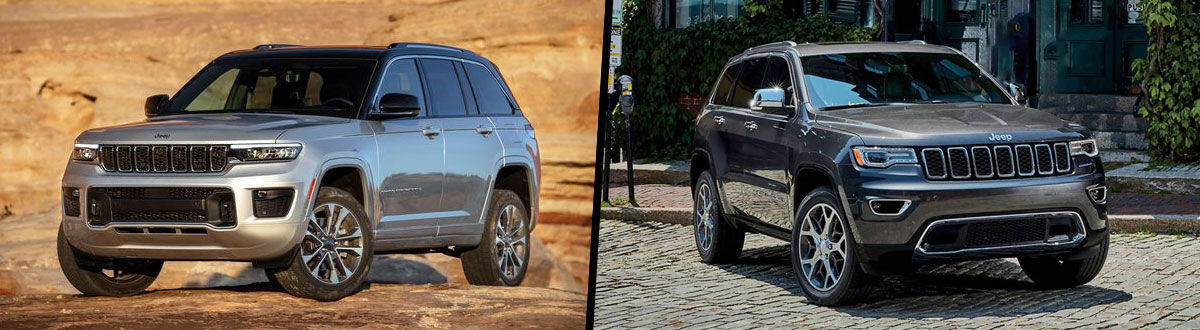
The WK2 has a more boxy shape with squared-off edges and the famous seven-slot grille. It offers a classic SUV look that many people love. The headlights are simple, and the overall style is clean but tough.
Wl: Modern, Sleek Appeal
The WL moves toward a smoother, more refined design. It keeps the seven-slot grille but with slimmer headlights and a more aerodynamic shape. The WL looks upscale and modern, appealing to buyers who want a luxury feel.
Size Comparison
Here’s a side-by-side look at their basic dimensions:
| Dimension | WK2 | WL (2-row) | WL (Grand Cherokee L) |
|---|---|---|---|
| Length (inches) | 189.8 | 193.5 | 204.9 |
| Width (inches) | 76.5 | 77.5 | 77.9 |
| Height (inches) | 69.3 | 70.8 | 71.5 |
| Wheelbase (inches) | 114.8 | 116.7 | 121.7 |
The WL is bigger in every way. If you need more space, especially for families, the WL (especially the Grand Cherokee L) is the better pick.
Credit: www.stevejonesauto.com
Interior Comfort And Features
Inside, the two generations show major differences. This is an area where the WL stands out.
Wk2: Practical And Comfortable
The WK2’s interior is simple but functional. It uses quality materials, and higher trims offer leather seats, wood trim, and a good infotainment system. Most models seat five people. The cargo area is spacious for luggage or gear.
Wl: High-tech And Luxurious
The WL’s cabin feels like a big upgrade. You’ll notice:
- Larger touchscreens (8.4-inch or 10.1-inch)
- Optional digital instrument cluster
- Better quality materials even on base models
- Ambient lighting
- More USB ports and charging options
- Optional three-row seating (Grand Cherokee L)
There is also more rear legroom and improved seat comfort. It’s quieter on the road because of better sound insulation.
Technology Comparison
| Feature | WK2 | WL |
|---|---|---|
| Touchscreen Size | 5.0–8.4 inches | 8.4–10.1 inches |
| Apple CarPlay/Android Auto | Available (late models) | Standard |
| Digital Gauge Cluster | No | Available |
| Premium Audio | Optional | Optional (McIntosh system) |
| Rear Seat Entertainment | Optional | Optional |
The WL offers more advanced technology and a more luxurious feel.
Engine Options And Performance
Both generations offer a range of engines, from fuel-efficient V6s to powerful V8s and hybrids.
Wk2 Engines
The WK2 comes with:
- 3.6L Pentastar V6 (290 hp, 257 lb-ft torque)
- 5.7L HEMI V8 (360 hp, 390 lb-ft torque)
- 3.0L EcoDiesel V6 (240 hp, 420 lb-ft torque; discontinued in later years)
- 6.4L SRT V8 (475 hp, 470 lb-ft torque; SRT model)
- 6.2L Supercharged V8 (707 hp, 645 lb-ft torque; Trackhawk)
The V8 engines are known for strong power, but they use more fuel.
Wl Engines
The WL brought changes:
- 3.6L Pentastar V6 (293–295 hp, 260–257 lb-ft torque)
- 5.7L HEMI V8 (357 hp, 390 lb-ft torque; only on some trims)
- 2.0L Turbo PHEV 4xe (375 hp, 470 lb-ft torque; plug-in hybrid)
- No SRT or Trackhawk (as of 2024)
The 4xe plug-in hybrid is a big step for Jeep. It gives electric driving for short trips and strong power.
Performance And Towing
The WK2 is known for its raw V8 strength, especially in the SRT and Trackhawk. These models can go from 0–60 mph in under 4 seconds (Trackhawk). The WL focuses more on efficiency and balance. It still tows up to 7,200 lbs (with the V8), but does not offer the extreme SRT/Trackhawk models (yet).
A common mistake buyers make: assuming the WL is always more powerful. In reality, the WK2’s SRT and Trackhawk are much faster and stronger than any WL version so far.
Ride Quality And Handling
Wk2: Comfortable And Capable
The WK2 rides smoothly, especially with the available air suspension. It handles bumps well and is quiet at highway speeds. Off-road, it’s very capable, especially with Quadra-Drive II 4WD and air suspension.
Wl: Even Smoother, More Refined
The WL improves ride comfort. It has a new suspension design, better noise isolation, and lighter steering. On rough roads, the WL feels softer and more settled. The three-row Grand Cherokee L is surprisingly nimble for its size.
Both handle off-road adventures, but the WL’s electronic systems make it easier for beginners.
Off-road Capability
Jeep is famous for off-road skills. Both generations live up to that reputation.
Wk2
The WK2 can be fitted with:
- Quadra-Trac I/II or Quadra-Drive II 4WD systems
- Select-Terrain traction control
- Adjustable air suspension (Quadra-Lift)
- Skid plates and tow hooks (Trailhawk model)
It’s great on muddy trails, rocks, and snow.
Wl
The WL keeps all the WK2’s features, but adds:
- More advanced traction systems
- Electronic limited-slip rear differentials (on some models)
- Updated Select-Terrain modes
- More ground clearance (up to 11.3 inches with air suspension)
An insight many miss: The WL’s off-road aids are easier for new drivers. The computer systems adjust settings automatically, so you don’t need much off-road experience to explore tough trails.
Safety And Driver Assistance
Safety has improved a lot in the WL. Here’s how they compare:
Wk2 Safety
- Basic safety features (airbags, backup camera, stability control)
- Blind spot monitoring, rear cross-traffic alert (on higher trims)
- Optional adaptive cruise control, lane departure warning (later years)
Wl Safety
- Standard advanced driver aids: Automatic emergency braking, blind spot monitoring, lane keep assist, rear cross-traffic alert
- Optional head-up display, night vision, intersection collision assist
- Better crash test ratings overall
The WL makes modern safety features standard, not just optional.
Fuel Economy
Fuel efficiency is a key concern for many buyers.
Wk2
- 3.6L V6: 18–26 mpg (city/highway)
- 5.7L V8: 14–22 mpg
- EcoDiesel: Up to 30 mpg (highway)
- SRT/Trackhawk: 13–19 mpg
Wl
- 3.6L V6: 19–26 mpg
- 5.7L V8: 14–22 mpg
- 4xe plug-in hybrid: 23 mpg (gas only), 56 MPGe (electric+gas), 26 miles electric range
The 4xe hybrid is the efficiency leader. If you mostly drive in the city, you’ll save a lot on fuel.

Credit: www.reddit.com
Pricing And Value
Wk2: Affordable And Plenty Of Choices
Used WK2 models are widely available and usually less expensive. You can find a well-equipped WK2 for under $30,000. Maintenance costs are moderate, but V8s and SRT/Trackhawk models cost more to repair and insure.
Wl: Higher Price, More Features
The WL’s starting price is higher, but you get more technology and safety. New WL models start around $40,000 and can reach over $70,000 for top trims.
Don’t assume the newer WL is always the better value. If you don’t need the latest features, a used WK2 can save you money and still offer reliability.
Ownership Experience
Wk2
Owners praise the WK2 for its:
- Solid build quality
- Good resale value
- Strong off-road performance
Common complaints include some electrical issues and higher fuel costs with V8s.
Wl
Early reviews show that the WL is:
- Smoother and quieter
- Easier to drive, especially for families
- Packed with technology
Some owners say the infotainment system can be buggy, especially in the first model year. But Jeep has improved quality with software updates.

Credit: www.youtube.com
Which Should You Choose?
Here’s a summary to help you decide:
- Choose the WK2 if you want a proven, rugged SUV, lower cost, or the ultra-powerful SRT/Trackhawk.
- Choose the WL if you want the latest technology, better safety, more comfort, or need a third-row seat (Grand Cherokee L).
Both are strong choices. Your decision depends on your budget and needs. For most families, the WL is the better daily driver. For performance fans, the WK2 SRT/Trackhawk is unmatched.
For more technical details, visit the Jeep Grand Cherokee Wikipedia page.
Frequently Asked Questions
Is The Jeep Grand Cherokee Wl Bigger Than The Wk2?
Yes. The WL is longer, wider, and taller than the WK2. The Grand Cherokee L version adds a third row and much more cargo space.
Does The New Wl Have A V8 Engine Option?
Yes, but only on some trims. The 5. 7L HEMI V8 is available on higher trims, but there is no SRT or Trackhawk version (yet).
Which Generation Is Better For Off-road Driving?
Both are excellent, but the WL adds more user-friendly technology. The WK2 is a favorite for serious off-road fans due to its mechanical 4WD systems.
How Does The Grand Cherokee Wl’s Hybrid (4xe) Perform?
The 4xe plug-in hybrid offers strong power (375 hp), up to 26 miles of electric range, and great fuel economy. It’s a smart choice for city drivers who want to save on gas.
Is The Wk2 Cheaper To Maintain Than The Wl?
In most cases, yes. The WK2 has simpler electronics and more affordable parts. However, high-performance versions (SRT, Trackhawk) can be expensive to service.
The Jeep Grand Cherokee WK2 and WL each have their strengths. By understanding the differences, you can choose the SUV that best fits your lifestyle and budget.



