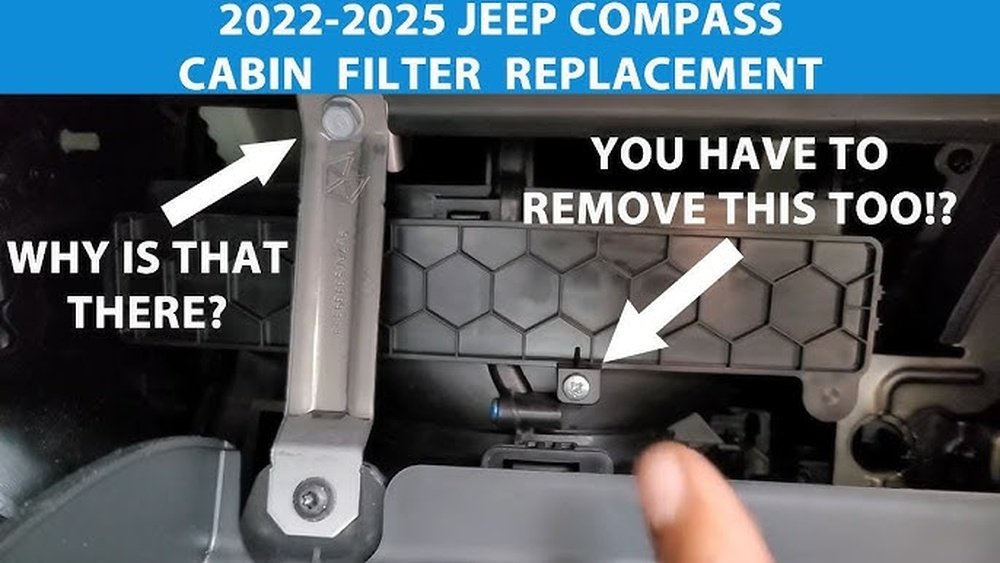
The cabin air filter in your Jeep Compass is a small but important part of your car’s ventilation system. It cleans the air that comes into your vehicle’s interior, removing dust, pollen, and other airborne particles. Over time, this filter gets dirty and clogged, which can reduce airflow and make your air conditioning or heating less effective. Replacing the cabin air filter is a simple, affordable task that you can do yourself in about 15 minutes—no special tools required. If you want to save money and breathe cleaner air inside your car, learning how to change the cabin air filter is a smart move.
Many drivers don’t realize how much a clogged filter can affect air quality and even the performance of the climate control system. Some even wait years before changing the filter, not knowing that most experts recommend swapping it every 12,000 to 15,000 miles, or at least once a year. In areas with lots of dust, pollen, or pollution, it’s better to check it more often. Changing your Jeep Compass cabin air filter isn’t just about comfort—it’s about your health, too.
Why The Cabin Air Filter Matters
The cabin air filter plays a key role in your Jeep Compass’s heating, ventilation, and air conditioning (HVAC) system. When it works well, it stops dust, mold spores, leaves, and even bad smells from entering your car. For people with allergies, this filter is a first line of defense.
But when the filter gets dirty, a few things happen:
- Airflow drops, making it harder to heat or cool your car.
- Unpleasant odors may enter the cabin.
- Windows fog up more easily because humidity control is reduced.
- Allergens and pollution can get inside, which is bad for people with asthma or sensitive lungs.
Many drivers notice a musty smell or weak airflow and think something is wrong with the air conditioning. Often, the real problem is a dirty cabin air filter.
Signs Your Cabin Air Filter Needs Replacing
It’s easy to forget about the cabin air filter, but there are some clear signs it’s time for a change:
- Reduced airflow from the vents, even at the highest fan setting.
- Bad smells when the air is turned on.
- Increased dust on car surfaces, even if you clean often.
- Foggy windows that take longer to clear.
- Unusual noises from the fan—sometimes the fan works harder if airflow is blocked.
If you notice any of these, it’s a good idea to check the filter. Even if you don’t, changing it on schedule helps keep your car’s air fresh and your HVAC system working well.
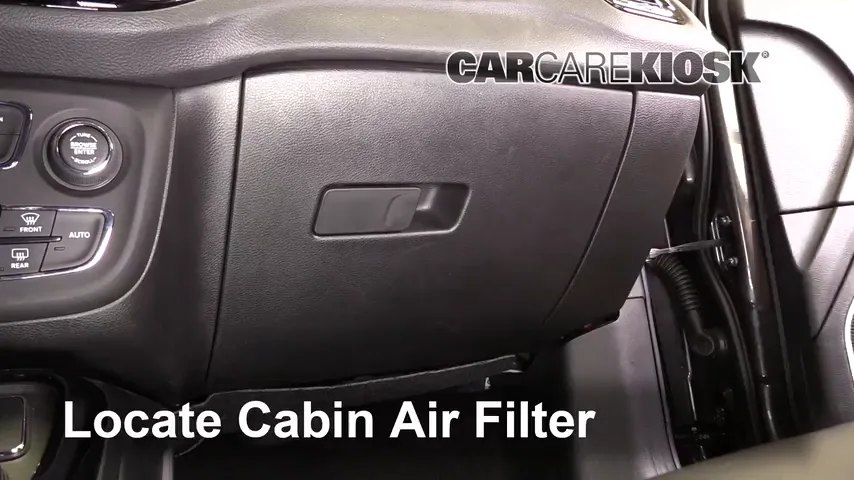
Credit: www.carcarekiosk.com
Tools And Materials Needed
Changing the Jeep Compass cabin air filter does not require many tools. Here’s what you’ll need:
- New cabin air filter (make sure it fits your model and year)
- Phillips-head screwdriver (sometimes not needed, but good to have)
- Gloves (optional, keeps hands clean)
- Small brush or vacuum (optional, for cleaning the filter housing)
Different years may have slightly different filter sizes. Always check your owner’s manual or look up the part number before buying a new filter.
Location Of The Cabin Air Filter In Jeep Compass
In most modern Jeep Compass models (2017 and newer), the cabin air filter is located behind the glove box. This makes it easy to access once you know how to remove the glove box or lower it out of the way.
Older Jeep Compass models (2016 and earlier) may have the filter in a similar place, but the steps can be a little different. For this guide, we’ll focus on the process for 2017–2024 models, which cover most drivers today.
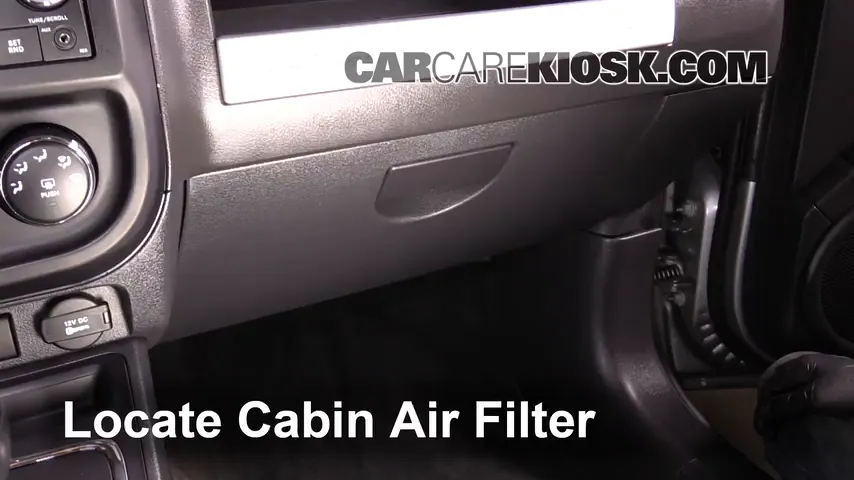
Credit: www.carcarekiosk.com
Step-by-step Guide: How To Change The Cabin Air Filter
Changing the cabin air filter is a straightforward process. Follow these steps carefully to avoid damaging any parts.
1. Prepare Your Workspace
Park your Jeep Compass on a flat surface and turn off the engine. Make sure you have enough light to see under the dashboard. Open the passenger-side door fully.
2. Empty The Glove Box
Remove everything from the glove box. This makes it easier to work and keeps your belongings from falling out.
3. Lower The Glove Box
Most Jeep Compass models have stops on both sides of the glove box to prevent it from dropping all the way down. Here’s how to lower it:
- Gently push in on both sides of the glove box to release the stops.
- Some models have a small damping arm on the right side. If present, gently unclip it.
- The glove box should swing down, giving you access to the area behind it.
4. Locate The Cabin Air Filter Cover
Behind the lowered glove box, you’ll see a rectangular cover with small clips or tabs. This is the filter housing.
- Press or slide the tabs to remove the cover.
- Set the cover aside.
5. Remove The Old Cabin Air Filter
Carefully pull the old filter straight out. Note which way the airflow arrow is pointing (usually down). The filter may be dirty, so try not to shake it—this keeps dust and debris from falling into the car.
6. Clean The Filter Housing (optional)
Before installing the new filter, it’s smart to remove any leaves, dust, or debris from the filter housing. Use a small brush or handheld vacuum if needed.
7. Install The New Cabin Air Filter
Slide the new filter into place, making sure the airflow arrow matches the old one (usually pointing down). If the filter is not seated correctly, it may not work as well.
8. Replace The Filter Cover
Reattach the cover, making sure all clips or tabs lock securely.
9. Reinstall The Glove Box
Lift the glove box back into place. Reconnect the damping arm if your car has one, and gently push the sides to snap the stops back in.
10. Test The Airflow
Turn on your car and the air conditioning or heater. Check that air is flowing freely and there are no unusual noises. If everything feels normal, you’ve done the job correctly!
Visual Comparison: New Vs. Old Cabin Air Filter
Seeing the difference can help you understand why regular replacement is important. Here’s a simple comparison.
| Condition | Appearance | Air Quality |
|---|---|---|
| New Filter | White or light gray, clean pleats | Fresh, clean air |
| Old Filter | Dark, dusty, clogged with debris | Possible odors, poor airflow |
A new filter makes a big difference in how your car smells and feels.
How Often Should You Change The Cabin Air Filter?
Most experts recommend changing the cabin air filter every 12,000–15,000 miles or at least once a year. However, if you drive in dusty or polluted areas, or if you often use your air conditioning, you may need to change it more often.
Here’s a quick guide:
| Driving Condition | Recommended Replacement Interval |
|---|---|
| Normal city/highway driving | Every 12,000–15,000 miles or yearly |
| Dusty or rural roads | Every 8,000–10,000 miles |
| High pollen/allergy seasons | Check every 6 months |
Checking your filter regularly is a good habit, especially in spring or fall.
Choosing The Right Cabin Air Filter
Not all filters are the same. When buying a replacement, consider these factors:
- Fit: Always choose a filter designed for your Jeep Compass’s year and model.
- Material: Some filters are basic paper, while others use activated carbon for better odor and pollution control.
- Quality: OEM (original equipment manufacturer) filters are reliable, but some aftermarket brands offer extra features.
Here’s a comparison of common filter types:
| Type | Features | Cost |
|---|---|---|
| Standard Paper | Good for dust and pollen | Low |
| Activated Carbon | Removes odors, gases, finer particles | Medium |
| HEPA | Highest filtration, best for allergies | High |
For most drivers, an activated carbon filter is a good balance of cost and performance.
Common Mistakes When Changing The Cabin Air Filter
Even though changing the filter is easy, beginners sometimes make these mistakes:
- Installing the filter backwards. Always follow the airflow arrow.
- Forgetting to secure the cover. A loose cover can cause rattling or reduce filter effectiveness.
- Not cleaning the housing. Debris left inside can quickly clog a new filter.
- Buying the wrong size. Double-check the filter size for your model year before buying.
Another common mistake is waiting too long to check or change the filter. Setting a reminder helps you stay on schedule.
Why Diy Is Better Than A Workshop For This Task
Many car owners pay mechanics $50–$100 for this quick fix. Doing it yourself costs only the price of the filter (usually $10–$30) and takes about 10–20 minutes. Plus, you learn more about your vehicle and can check the filter whenever you want.
However, if you’re not comfortable removing the glove box or if your car has a complicated setup, it’s okay to ask for help or watch a video first.
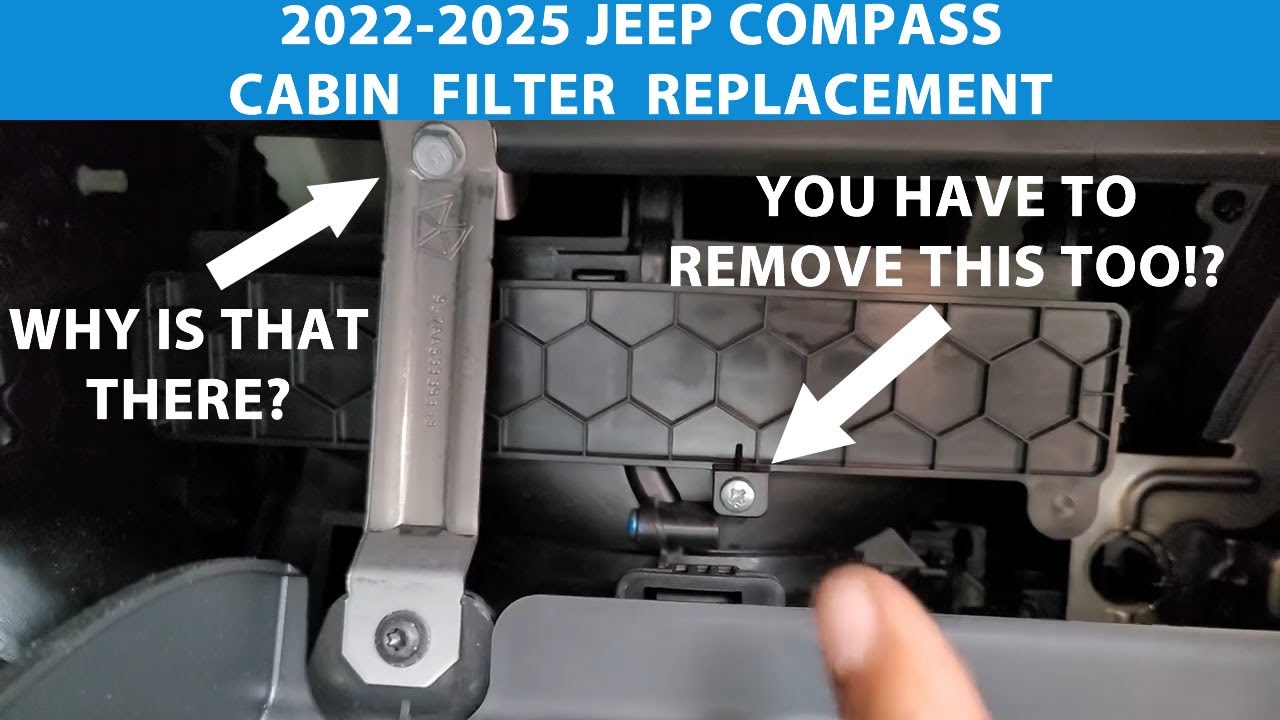
Credit: www.youtube.com
Extra Tips For Jeep Compass Owners
- Check during oil changes. Make it a habit to check the cabin air filter when you change your engine oil.
- Keep a spare filter in your trunk, especially during allergy season.
- Don’t ignore odors—they’re often a sign of a dirty filter.
- Look for mold or mildew if you see black spots on the old filter. Clean the housing thoroughly before installing a new one.
- Use your owner’s manual for any car-specific steps.
For more information about air filters and their impact on vehicles, you can read the guide on Wikipedia.
Frequently Asked Questions
How Do I Know Which Cabin Air Filter Fits My Jeep Compass?
Check your owner’s manual or the old filter for a part number. Most auto parts websites let you enter your car’s year and model to find the right filter.
Can I Clean And Reuse My Old Cabin Air Filter?
Most filters are designed for one-time use. Cleaning or tapping them out may damage them or reduce effectiveness. Always use a new filter for best results.
Is It Safe To Drive With A Dirty Cabin Air Filter?
While your car will still run, a dirty filter reduces air quality and HVAC performance. For your health and comfort, replace it regularly.
Do All Jeep Compass Models Have A Cabin Air Filter?
Most models from 2007 onward have a cabin air filter. If you can’t find one, check your manual or ask a dealer—rare base models may not have one.
Why Does My Jeep Compass Smell Bad Even After Changing The Filter?
Odors can come from mold or bacteria in the air ducts. Try cleaning the vents or using a special spray. If the smell returns, check for water leaks or other issues.
Changing your Jeep Compass cabin air filter is one of the easiest ways to improve your driving experience. It’s a simple DIY project that brings real benefits—cleaner air, fewer odors, and a more comfortable ride. With the right filter and a few minutes of your time, you’ll breathe easier every time you drive.