Towing with a Jeep Grand Cherokee is a practical choice for many drivers. This SUV is popular because it combines comfort, power, and off-road capability. But towing is more than just hooking up a trailer and driving away. Doing it safely and efficiently requires knowledge and planning.
Many drivers miss small but important details, which can lead to stress or even accidents. This guide will help you understand how to tow confidently with your Jeep Grand Cherokee, even if you are new to towing.
Know Your Jeep Grand Cherokee’s Towing Capacity
Every Jeep Grand Cherokee has a maximum towing capacity. This is the most weight your vehicle can safely pull. The exact number depends on the model year, engine type, and whether you have a towing package. For example, a 2023 Grand Cherokee with a V6 engine can tow up to 6,200 pounds, while the V8 model can handle up to 7,200 pounds. Always check your owner’s manual or the manufacturer’s website for your specific vehicle.
It’s important not to guess the towing limit. Overloading your Jeep can damage the transmission, brakes, and suspension. Even worse, it makes driving dangerous. Remember, the towing capacity includes the weight of everything inside your trailer—cargo, water tanks, supplies, and more.
| Engine Option | Towing Capacity | Recommended Trailer Types |
|---|---|---|
| 3.6L V6 | 6,200 lbs | Small campers, boats |
| 5.7L V8 | 7,200 lbs | Medium boats, car haulers |
| 4xe Plug-in Hybrid | 6,000 lbs | Utility trailers, pop-up campers |
Choose The Right Trailer And Hitch
Not every trailer fits every Jeep Grand Cherokee. The trailer you pick must be within your SUV’s capacity, and the hitch must match both the Jeep and the trailer.
Trailer Types
- Utility Trailers: Great for hauling furniture, tools, or landscaping equipment.
- Boat Trailers: Make sure your Jeep’s towing package can handle the extra weight, especially when wet.
- Travel Trailers: Lightweight campers are best; avoid full-sized RVs unless you have the V8 engine.
Hitch Selection
Your hitch is the connection point between your Jeep and the trailer. There are three main classes:
- Class II: For smaller trailers, up to 3,500 lbs.
- Class III: Handles up to 6,000 lbs, fits most Grand Cherokees with factory tow packages.
- Class IV: Needed for loads over 6,000 lbs.
Installing the wrong hitch is a common beginner mistake. Always match the hitch class to your towing load.
Essential Towing Equipment
Towing safely means having the right gear. Here’s what you need:
- Hitch Receiver: Connects to your Jeep’s frame.
- Ball Mount: Slides into the hitch receiver and holds the hitch ball.
- Hitch Ball: The round metal ball the trailer coupler attaches to. Sizes vary (1-7/8″, 2″, 2-5/16″).
- Trailer Wiring Harness: Lets your Jeep’s lights control the trailer’s lights for signals and brakes.
- Safety Chains: Keep the trailer connected if the hitch fails.
- Brake Controller: Required for electric trailer brakes on heavier loads.
Many drivers forget the wiring harness or use the wrong size hitch ball. Check everything before you hit the road.
Loading Your Trailer Properly
A well-loaded trailer is safe and easy to tow. Poor loading causes swaying, poor braking, and loss of control.
- Distribute weight evenly: Place about 60% of the cargo weight in front of the trailer axle. This keeps the tongue weight right.
- Secure all items: Use straps or nets to hold cargo in place.
- Check tongue weight: The tongue weight should be 10-15% of the total trailer weight. Too much or too little makes towing unsafe.
Here’s a quick reference:
| Total Trailer Weight | Recommended Tongue Weight |
|---|---|
| 2,000 lbs | 200–300 lbs |
| 5,000 lbs | 500–750 lbs |
| 7,000 lbs | 700–1,050 lbs |
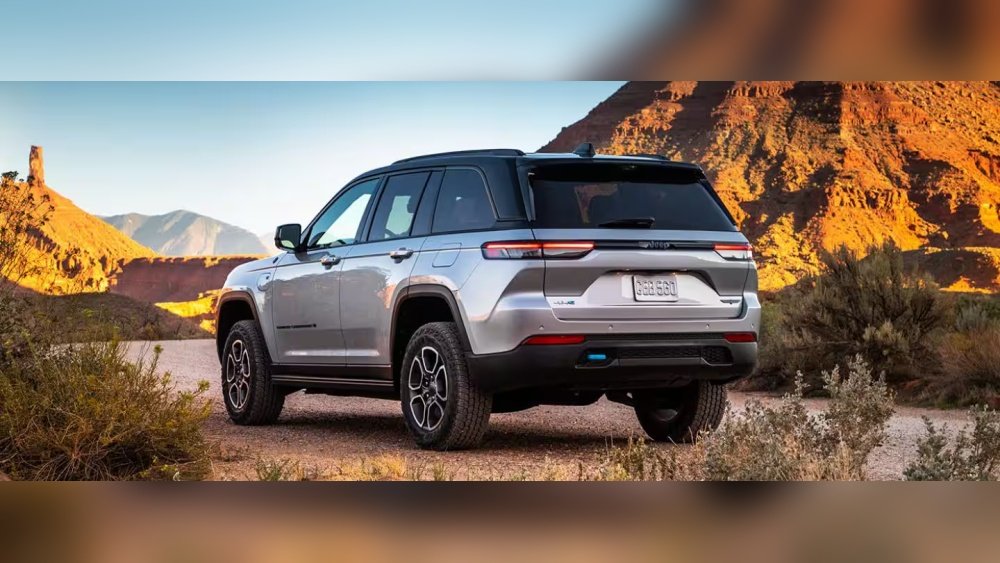
Credit: www.jeep.ca
Adjust Your Jeep’s Settings For Towing
Modern Grand Cherokees come with helpful features for towing. Explore these before you drive.
- Tow/Haul Mode: Changes shift points for more power and better braking. Always turn this on when towing.
- Air Suspension: Some models let you raise the ride height for better clearance.
- Trailer Sway Control: Uses sensors and brakes to keep your trailer straight.
Many drivers skip these settings. Using them makes towing safer and less stressful.
Driving Tips For Safe Towing
Towing with a Jeep Grand Cherokee feels different than normal driving. The extra weight changes how your SUV handles, brakes, and turns.
- Accelerate Slowly: Heavy trailers need more power to get moving.
- Increase Stopping Distance: Trailers make your Jeep take longer to stop. Leave extra space in front.
- Take Wide Turns: Trailers cut corners. Swing wide to avoid curbs.
- Downshift on Hills: Use lower gears when going downhill to avoid overheating your brakes.
- Check Mirrors Often: Make sure you can see the trailer and traffic.
- Watch Your Speed: High speeds can cause trailer sway. Stay below 65 mph, even if limits are higher.
Backing Up With A Trailer
Backing up is often the hardest part for beginners. The trailer moves opposite to your steering input.
- Start Slowly: Move in small steps.
- Hand on Bottom of the Wheel: Move your hand in the direction you want the trailer to go.
- Use a Spotter: If possible, have someone guide you from outside.
- Practice in an Empty Lot: Spend time learning before your first trip.
Regular Maintenance Before And After Towing
Towing adds stress to your Jeep Grand Cherokee. Skipping maintenance can lead to breakdowns.
Before Towing
- Check tire pressure on both Jeep and trailer.
- Inspect brakes for wear.
- Test all lights (brake, turn, running).
- Top up fluids: Oil, transmission, and coolant.
After Towing
- Inspect for leaks or damage.
- Let brakes cool before parking for long periods.
- Schedule extra service if you tow often.
Many people ignore the trailer’s tires or brakes. Always check both vehicle and trailer.

Credit: www.youtube.com
Plan Your Route And Stops
Towing changes what roads and stops you can use. Plan ahead for a smooth trip.
- Avoid narrow streets and tight parking lots.
- Know bridge heights and weight limits.
- Plan rest stops with trailer-friendly parking.
- Watch for steep grades or sharp turns.
Using a GPS with truck or RV mode helps avoid trouble.
Legal And Safety Considerations
Laws for towing vary by state or country. Make sure you comply with all rules.
- Trailer brakes: Often required for trailers over 3,000 lbs.
- Trailer insurance: Some states require separate policies.
- Safety chains and breakaway cables are required in most places.
- Trailer lights: Must work and be visible.
Always carry your registration and proof of insurance.
Common Mistakes To Avoid
Even experienced drivers make errors. Watch for these common mistakes:
- Overloading the trailer: The leading cause of accidents.
- Ignoring tongue weight: Causes sway and loss of control.
- Skipping safety checks: Lights, brakes, chains.
- Driving too fast: Reduces control and increases stopping distance.
- Not practicing backing up: Leads to frustration and accidents.
Real-world Example: Towing A Boat With A Grand Cherokee
Imagine towing a 5,000-lb boat to the lake. You have a V6 Grand Cherokee with a factory tow package.
- Check the boat and trailer weight: Combined, they are under the 6,200-lb limit.
- Set up your hitch: Use a Class III hitch and 2″ ball.
- Plug in wiring harness: Test trailer lights.
- Secure the boat: Use straps.
- Turn on Tow/Haul mode: Improves performance.
- Drive carefully: Accelerate slowly, check mirrors, and allow more stopping distance.
This real-life example shows how important it is to follow every step for a safe trip.
Advanced Tips For Experienced Towers
If you tow often, try these advanced ideas:
- Use a weight distribution hitch for heavy trailers. It spreads weight evenly and improves handling.
- Install towing mirrors for better visibility.
- Upgrade brake pads for better stopping power.
- Monitor transmission temperature if towing in hot weather or mountains.
Useful Resources
For more details on your specific Jeep Grand Cherokee, visit the official Jeep Grand Cherokee page.
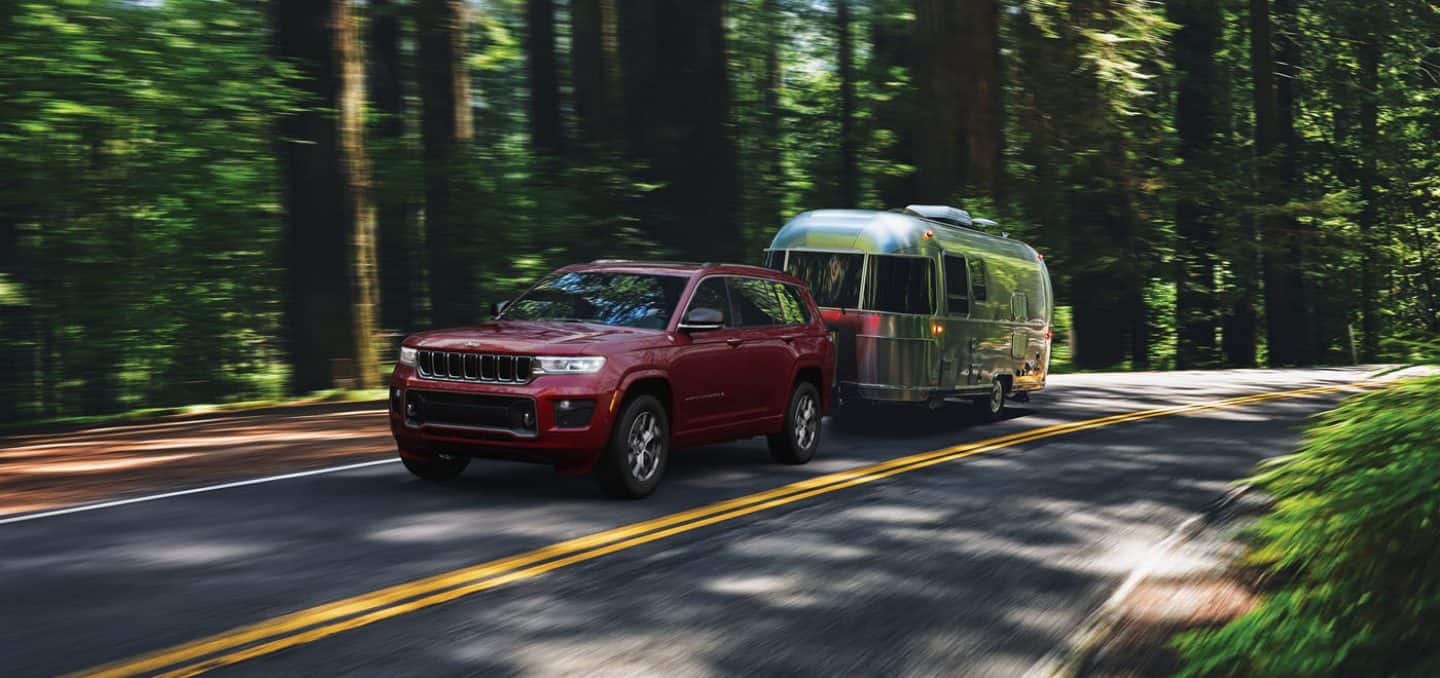
Credit: www.donvancechryslerdodgejeepram.com
Frequently Asked Questions
What Is The Maximum Towing Capacity Of The Jeep Grand Cherokee?
The maximum towing capacity depends on the engine and model year. Most V6 models can tow up to 6,200 lbs, while V8 versions can handle up to 7,200 lbs. Always check your owner’s manual for your exact number.
Do I Need A Special Driver’s License To Tow With My Jeep Grand Cherokee?
For most personal trailers in the US, a standard driver’s license is enough. However, some states or countries have different rules for very heavy trailers. Check local laws before you tow.
Can I Use My Grand Cherokee To Tow A Camper Or Rv?
Yes, but choose a camper that fits within your Jeep’s towing limit. Lightweight travel trailers or pop-up campers are best for V6 models. Larger RVs require the V8 engine and a proper hitch.
What Does Tow/haul Mode Do In My Jeep Grand Cherokee?
Tow/Haul mode changes the transmission shift points for more power and better engine braking. It also keeps the transmission cooler and improves control when towing heavy loads.
Is Trailer Sway Control Important?
Yes. Trailer sway control helps keep your trailer moving straight, especially in wind or when large vehicles pass. It uses sensors and your Jeep’s brakes to correct sway before it becomes dangerous.
Towing with your Jeep Grand Cherokee is easier and safer when you plan ahead and follow the right steps. With these tips, you can enjoy your journey—and your destination—without worry.