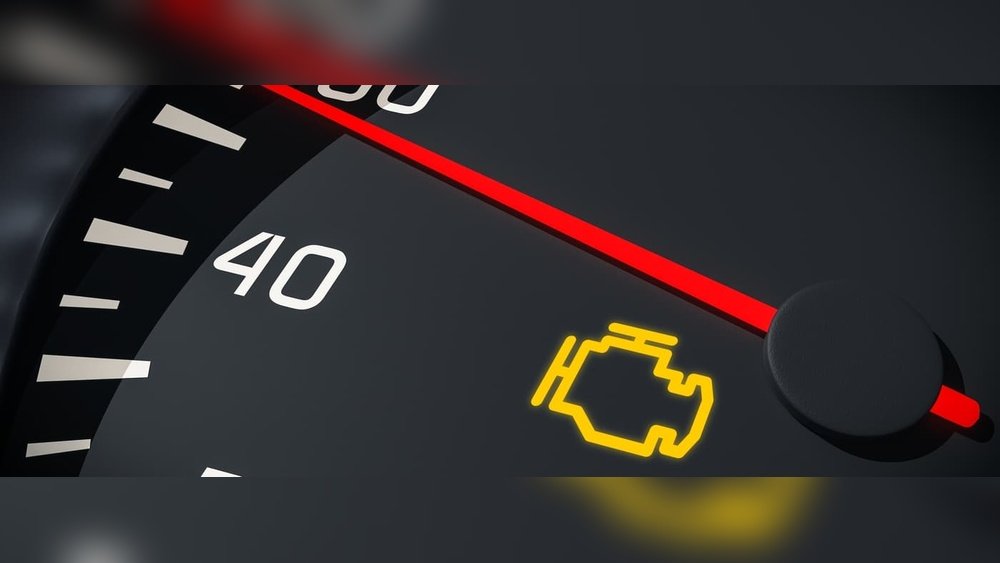
Few things are as worrying to drivers as seeing the check engine light pop up on the dashboard. For Jeep Compass owners, this warning can mean many things—from a minor issue like a loose gas cap to more serious problems that need professional help. Ignoring this light can lead to bigger, more expensive repairs, so it’s important to act quickly and smartly.
If you drive a Jeep Compass and want to know how to handle the check engine light, this guide will help you. We’ll explain what the light means, how to diagnose the problem, simple fixes you can try yourself, and when it’s best to see a mechanic.
Many drivers make the mistake of panicking or guessing the cause. With the right approach, you can often solve the problem yourself and avoid unnecessary costs.
What The Check Engine Light Means
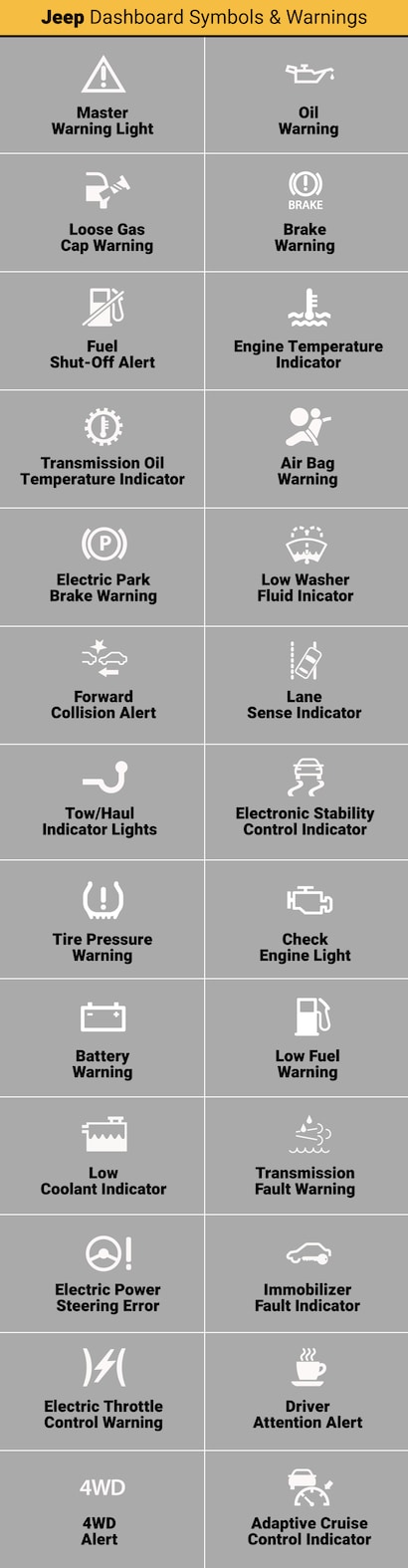
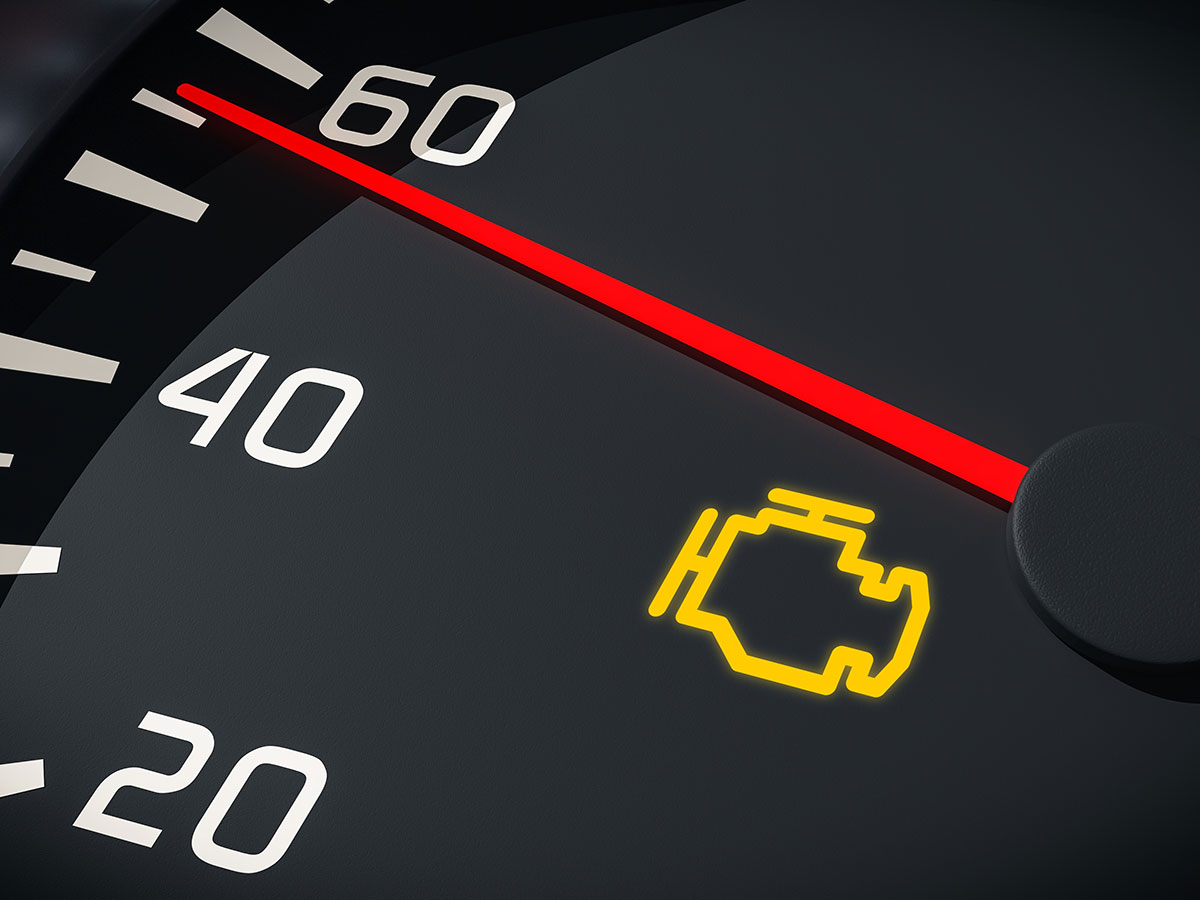
The check engine light is part of your Jeep Compass’s onboard diagnostics system (OBD-II). When the car’s computer detects something outside the normal range, it turns on this warning light. It doesn’t tell you exactly what’s wrong—it signals that the engine or emission system needs attention.
There are two main types of check engine lights:
- Steady light: Usually means a non-urgent problem. You should still check it soon.
- Flashing light: Signals a serious issue, like a misfire that could damage the catalytic converter. Stop driving and get help immediately.
Some common reasons for the check engine light in the Jeep Compass include:
- Loose or damaged gas cap
- Faulty oxygen sensor
- Malfunctioning spark plugs or wires
- Problems with the catalytic converter
- Failing mass airflow sensor
Understanding the light is the first step. The next is finding out what’s wrong.
Diagnosing The Problem
To fix your Jeep Compass’s check engine light, you need to know the cause. Start with these steps:
- Check the gas cap. This is often the reason for the light. Make sure it’s tight and not cracked.
- Read the error codes. Use an OBD-II scanner to read the trouble codes from your Jeep’s computer. These codes point to the general area of the problem. You can buy a basic scanner or visit an auto parts store—many will check the code for free.
- Interpret the codes. Common Jeep Compass codes include:
- P0456: Small leak in evaporative emission system (often gas cap)
- P0300: Random/multiple cylinder misfire
- P0420: Catalyst system efficiency below threshold
- P0133: Oxygen sensor slow response
- Look for symptoms. Is your engine running rough, using more fuel, or making strange noises? This can help narrow down the problem.
Here’s a quick comparison of common OBD-II codes, their likely causes, and recommended action:
| Code | Probable Cause | DIY or Mechanic? |
|---|---|---|
| P0456 | Loose gas cap, small leak | DIY |
| P0300 | Spark plug/coil failure | Mechanic |
| P0420 | Catalytic converter issue | Mechanic |
| P0133 | Oxygen sensor | DIY/Mechanic |
If you’re unsure how to read the codes, many YouTube tutorials show the process using a Jeep Compass.

Credit: www.reddit.com
Simple Fixes You Can Try Yourself
Many check engine light issues are easy to fix with basic tools and knowledge. Here are practical steps you can take:
1. Tighten Or Replace The Gas Cap
A loose or cracked gas cap is the most common reason for the check engine light. If your Jeep Compass gives a P0456 code or you recently filled up, do this:
- Turn off the engine.
- Open the gas tank and check the cap for cracks or worn seals.
- Tighten it until you hear a click.
- Drive for a few trips; the light may go off after 2-3 cycles.
If the cap is damaged, replace it with a compatible one. Avoid using a universal cap that doesn’t fit tightly.
2. Replace Faulty Spark Plugs
Misfires and rough engine performance often mean you need new spark plugs. Jeep recommends changing them every 30,000 miles (48,000 km) for most Compass models.
- Use the spark plug code from your owner’s manual.
- Let the engine cool before working.
- Remove the ignition coil and old spark plug.
- Install the new plug, tighten to the recommended torque, and reconnect the coil.
Worn spark plugs can lower your fuel economy by up to 30%, so replacing them saves money in the long run.
3. Clean Or Replace The Mass Air Flow Sensor
A dirty mass airflow (MAF) sensor can trigger the light and cause poor fuel economy. It measures air entering the engine.
- Disconnect the battery.
- Remove the sensor (usually between the air filter and throttle body).
- Spray with MAF cleaner (never touch the sensor wire).
- Let it dry fully before reinstalling.
If cleaning doesn’t help, consider replacing the sensor.
4. Change The Oxygen Sensor
The oxygen sensor helps control emissions and fuel use. A faulty sensor can cause a P0133 or P0420 code.
- Locate the sensor (before or after the catalytic converter).
- Use an O2 sensor socket to remove it.
- Install the new sensor and reconnect the wiring.
Old sensors can cause a 15% drop in gas mileage. Most should be changed every 60,000 to 100,000 miles.
5. Reset The Check Engine Light
After fixing the problem, you can reset the light:
- Use your OBD-II scanner to clear the codes.
- Or disconnect the negative battery terminal for 10 minutes (this also resets radio and clock settings).
If the light comes back, the issue isn’t fixed.
When To See A Mechanic
Not every check engine light issue is safe for DIY. Here’s when you should visit a professional:
- The light is flashing.
- You hear knocking, see smoke, or notice a burning smell.
- There are transmission or braking issues.
- The same code keeps returning after repairs.
- You’re not comfortable working on cars.
A mechanic can do advanced diagnostics, such as smoke testing for leaks or checking the catalytic converter’s efficiency.
Here’s a table comparing common Jeep Compass check engine problems and when to DIY or see a mechanic:
| Problem | DIY? | Mechanic Needed? | Cost Range (USD) |
|---|---|---|---|
| Loose gas cap | Yes | No | 0-20 |
| Spark plug replacement | Yes (basic skill) | No | 20-100 |
| Oxygen sensor | Sometimes | Sometimes | 100-400 |
| Catalytic converter | No | Yes | 1000-2500 |
If you’re under warranty, repairs might be free. Always check with your dealer first.
Preventing Future Check Engine Light Issues
Caring for your Jeep Compass can reduce the chance of seeing the check engine light. Here’s how:
- Follow the maintenance schedule. Change oil, air filters, and spark plugs on time.
- Use quality fuel. Poor-quality or contaminated gas can trigger the light.
- Check fluid levels regularly.
- Listen for changes. Unusual noises or loss of power may signal problems before the light comes on.
- Avoid ignoring small issues. Fixing problems early can prevent bigger repairs.
Many drivers ignore the check engine light for weeks, hoping it will disappear. This is a mistake. Some issues, like a failing catalytic converter, get worse and more costly over time.
Two Insights Most Owners Miss
Many Jeep Compass owners don’t realize that:
- A weak battery can sometimes trigger the check engine light, especially in cold weather or after a jump start. If you see the light after battery issues, test or replace your battery.
- Aftermarket parts (like cheap sensors or gas caps) can cause the light to stay on, even if they seem to fit. Always use parts that meet Jeep’s specifications.
Also, remember that some error codes can have multiple causes. For example, a P0420 code might mean a bad catalytic converter or just a failing oxygen sensor. Always check the simple, less expensive parts first.
Credit: www.mattbowerscdjr.com
Example: A Real Jeep Compass Case
A 2018 Jeep Compass owner reported a check engine light with a P0456 code. He tightened the gas cap, but the light stayed on. A mechanic found a cracked hose in the evaporative emission system—a small but tricky-to-find problem. The repair cost $80.
This shows that even simple codes can sometimes mean more than just a loose cap. Careful inspection saves money.
Cost Of Ignoring The Light
Delaying repairs can be expensive. The catalytic converter is one of the most costly parts to replace, often $1,000 or more. Running your Jeep with a misfiring engine can damage this part quickly. Fuel economy drops, emissions increase, and your car could fail inspection.
Here’s a quick look at potential costs if you ignore the check engine light:
| Ignored Problem | Possible Outcome | Extra Repair Cost (USD) |
|---|---|---|
| Loose gas cap | Emission system leak | None if fixed early |
| Spark misfire | Catalytic converter damage | +1000 |
| O2 sensor | Poor fuel economy | +200/year in fuel |
When The Check Engine Light Means An Emergency
Sometimes, the check engine light means you need to stop driving right away:
- The light is flashing.
- You smell fuel or see smoke.
- The engine is losing power or stalling.
In these cases, pull over safely and call for roadside assistance. Continuing to drive can cause major engine damage.
Helpful Resources
If you want more information about OBD-II codes and Jeep Compass maintenance, the official Jeep owner’s site and forums are good starting points. For technical explanations of codes, see this Wikipedia article on OBD-II PIDs.
Credit: www.bernardsnorthtown.net
Frequently Asked Questions
What Is The Most Common Cause Of A Check Engine Light In A Jeep Compass?
The most common cause is a loose or faulty gas cap. This small part keeps the fuel system sealed. If it’s not tight, the car’s computer senses a leak and turns on the light.
Can I Drive My Jeep Compass With The Check Engine Light On?
If the light is steady and the car seems to run normally, you can drive short distances. But you should diagnose and fix the issue soon. If the light is flashing or you notice strange smells or sounds, stop driving and get help.
How Do I Reset The Check Engine Light After Fixing The Problem?
You can reset the light using an OBD-II scanner (most auto parts stores have one you can borrow). Or, disconnect the battery for about 10 minutes. If the problem is fixed, the light will stay off.
How Much Does It Cost To Fix The Check Engine Light On A Jeep Compass?
Costs vary:
- Tightening the gas cap: Free
- New gas cap: $10–$20
- Spark plugs: $20–$100
- Oxygen sensor: $100–$400
- Catalytic converter: $1,000 or more
Get the error code checked to know what’s needed.
Will My Jeep Compass Pass Emissions With The Check Engine Light On?
No. The check engine light means the emissions system is not working properly. You’ll need to fix the problem and clear the light before your vehicle can pass an emissions test.
The check engine light on your Jeep Compass doesn’t have to be a mystery or a source of stress. With a little knowledge and the right tools, you can diagnose and fix many issues yourself, save money, and keep your car running smoothly.
Acting quickly, using quality parts, and not ignoring small problems are the keys to a worry-free driving experience.