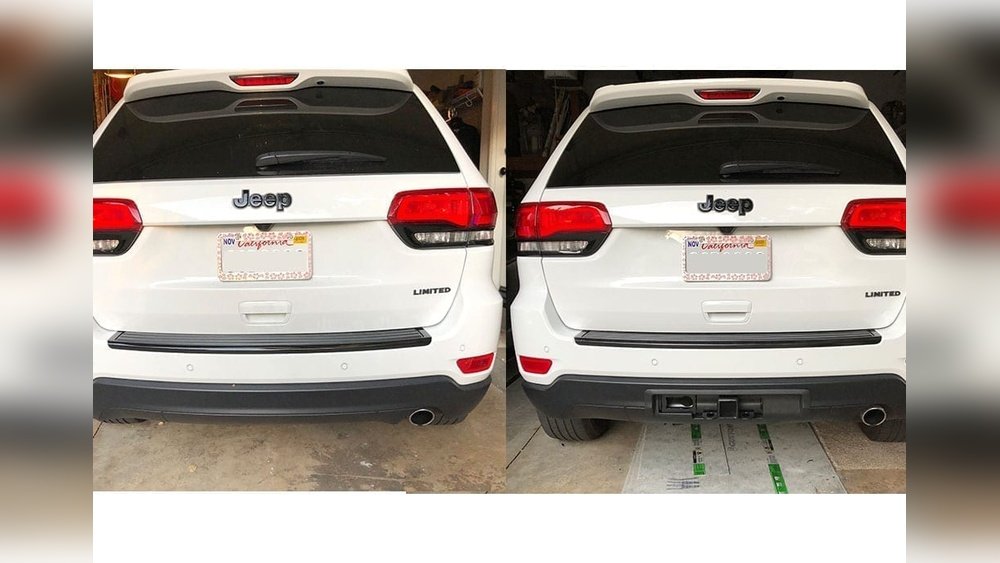
If you own a Jeep Grand Cherokee and want to tow a trailer, carry bikes, or add a cargo carrier, installing a trailer hitch is a smart move. Many people think this job is only for mechanics, but with the right tools and clear steps, you can install a trailer hitch yourself. Whether you enjoy weekend road trips or need extra hauling power, adding a hitch increases your Jeep’s flexibility and value. In this guide, you’ll learn how to choose the right hitch, prepare for installation, and attach it to your Grand Cherokee safely. Even if you’re new to car modifications, you’ll find practical tips and avoid common mistakes. Let’s get started on making your Jeep even more capable.
Understanding Trailer Hitches For Jeep Grand Cherokee
Before starting the installation, it’s important to know what type of trailer hitch your Jeep needs. Not all hitches are the same, and using the wrong one can be dangerous or damage your vehicle.
Types Of Trailer Hitches
- Receiver Hitch: This is the most common hitch for SUVs like the Grand Cherokee. It has a square opening for accessories.
- Gooseneck Hitch: Used for heavy trailers, but not usually installed on SUVs.
- Fifth-Wheel Hitch: Designed for pickup trucks, not for Grand Cherokees.
For most Grand Cherokee owners, a Class III or Class IV receiver hitch works best. These hitches can handle between 3,500 to 7,500 pounds of trailer weight, which covers most boats, campers, and utility trailers.
Hitch Class Comparison
Here’s a quick comparison of popular hitch classes for the Jeep Grand Cherokee:
| Hitch Class | Max Gross Trailer Weight | Max Tongue Weight | Best For |
|---|---|---|---|
| Class II | 3,500 lbs | 350 lbs | Bikes, small trailers |
| Class III | 5,000 lbs | 500 lbs | Most boats, campers |
| Class IV | 7,500 lbs | 750 lbs | Large trailers |
If you plan to tow a heavy load, always check your Jeep Grand Cherokee’s towing capacity in the owner’s manual. Overloading can damage your vehicle or cause accidents.
Choosing The Right Trailer Hitch
Buying the right hitch is the foundation of a safe installation. Here are a few tips to help you select the best one:
- Check compatibility: Make sure the hitch is designed for your Grand Cherokee’s year and model.
- Choose the correct class: Pick a Class III or IV hitch for most towing needs.
- Go for corrosion-resistant finishes: Powder-coated or stainless steel hitches last longer.
- Read reviews: Look for brands with high ratings and positive feedback.
Some well-known brands for Jeep hitches include Curt, Draw-Tite, and Reese. Prices usually range from $120 to $250, depending on the class and features.
Tools And Materials You’ll Need
Gathering the right tools before starting will save you time and stress. Here’s what you’ll need:
- Socket set (metric and standard sizes)
- Torque wrench
- Ratchet
- Extension bar (for hard-to-reach bolts)
- Safety glasses and gloves
- Jack stands or a car ramp (optional, for more working space)
- Penetrating oil (like WD-40, for rusty bolts)
- Hitch kit (includes bolts, washers, and the hitch itself)
- Wiring harness (if you need trailer lights)
Always double-check the contents of your hitch kit before starting. Missing bolts or instructions can delay your project.
Preparing Your Jeep Grand Cherokee
Proper preparation makes the job easier and safer. Here’s how to get your vehicle ready:
- Park on a flat surface and engage the parking brake.
- Disconnect the battery if you plan to install a wiring harness.
- Lift the rear of the vehicle with jack stands or a ramp for better access (if needed).
- Remove the spare tire (if mounted under the vehicle) to create more room.
- Inspect the frame rails for dirt, rust, or old sealant. Clean with a wire brush if necessary.
- Spray penetrating oil on the existing bolts or threaded holes. Let it sit for 10 minutes.
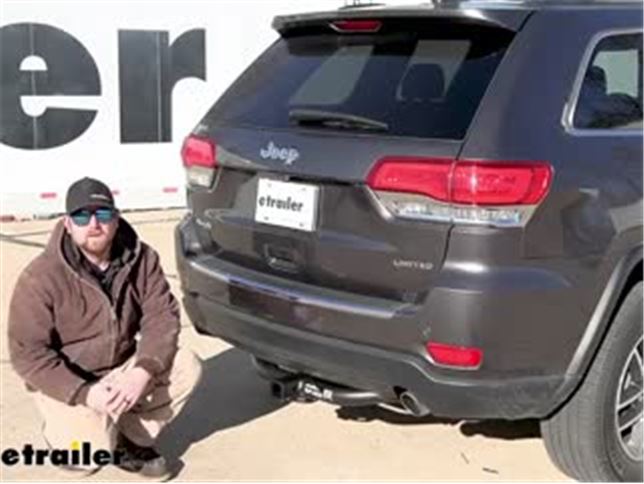
Many people skip cleaning the frame, but this step prevents problems during installation and ensures the hitch fits snugly.
Credit: www.etrailer.com
Step-by-step: How To Install A Jeep Grand Cherokee Trailer Hitch
Now it’s time for the main event. Take your time and follow each step carefully.
1. Locate The Mounting Points
Most Grand Cherokees have pre-drilled holes in the frame rails under the rear bumper. These are where the hitch will bolt on. Remove any plastic plugs or tape covering these holes.
2. Position The Hitch
With a helper (hitches can be heavy), lift the hitch into place. Align the holes in the hitch with the mounting points on your Jeep’s frame.
3. Insert The Bolts
Insert the supplied bolts and washers through the hitch and into the frame. Hand-tighten them first. Do not fully tighten yet, as you may need to adjust the hitch’s position.
4. Tighten The Bolts
Use your socket set and ratchet to tighten all bolts. For the final tightening, use a torque wrench and follow the manufacturer’s recommended torque values, usually between 75 to 110 foot-pounds. Over-tightening can strip threads; under-tightening can make the hitch loose.
5. Install The Wiring Harness (optional)
If you plan to tow a trailer with lights, install a wiring harness. Most modern kits are “plug-and-play” and connect to your Jeep’s existing wiring, usually behind a panel in the cargo area.
- Route the harness out through a grommet in the floor.
- Secure the wiring with zip ties to avoid dragging or catching.
- Test the trailer lights before finishing.
6. Replace The Spare Tire
Once the hitch and wiring are in place, put the spare tire back under the vehicle.
7. Inspect Your Work
Double-check all bolts for tightness and ensure the hitch is level. Pull on the hitch to test for movement. If it feels loose, re-torque the bolts.
Safety Checks Before Towing
Many first-time installers forget to do a safety check. This is crucial before using your new hitch.
- Check all bolts for proper torque.
- Inspect the wiring for correct trailer light operation (brake, turn, and reverse).
- Attach the trailer and check for clearances. Make sure the safety chains fit and don’t drag.
- Test drive at low speed to check for noise, movement, or electrical issues.

Credit: www.youtube.com
Common Mistakes To Avoid
Even careful DIYers can make mistakes. Here are pitfalls to watch for:
- Using the wrong hitch class: Always match the hitch class to your towing needs.
- Skipping torque specs: Hand-tightening isn’t enough for towing safety.
- Not cleaning frame rails: Dirt and rust can prevent a tight fit.
- Forgetting the wiring: Trailers without working lights are illegal and unsafe.
- Ignoring local laws: Some regions require extra reflectors or mirrors for towing.
Real-world Example: Time And Cost
Let’s see how a typical installation looks in practice:
| Step | Time (minutes) | Cost (USD) |
|---|---|---|
| Buying the hitch | 15 | $180 |
| Gathering tools | 10 | 0 (if you have tools) |
| Preparing Jeep | 20 | 0 |
| Mounting the hitch | 30 | 0 |
| Wiring harness | 25 | $40 |
| Total | 100 | $220 |
Most DIYers can finish the job in about 1.5 to 2 hours. The total cost is usually much less than paying a mechanic, who may charge $350 or more.
Non-obvious Tips For Beginners
- Save the hitch instructions in your glove box. If you need to remove or re-install the hitch later, you’ll need torque specs and diagrams.
- Apply anti-seize compound to the bolts before installation, especially if you live in snowy areas. This makes future removal easier.
- Check for factory wiring plugs: Some Grand Cherokees have a factory plug for trailer wiring hidden behind a panel. Using it is much easier than running new wires.
- Use a friend for lifting: Hitches are heavy and awkward. Don’t risk injury by working alone.
Maintenance After Installation
Once your hitch is installed, keep it in good shape:
- Inspect the hitch and bolts every few months for rust or looseness.
- Clean the receiver tube and apply a thin layer of grease to prevent sticking.
- Store the ball mount and pins indoors when not in use to avoid corrosion.
If you plan to tow heavy loads often, consider adding a transmission cooler to your Jeep. Towing puts extra stress on your vehicle, and a cooler helps prevent overheating.

Credit: www.youtube.com
Frequently Asked Questions
How Much Weight Can My Jeep Grand Cherokee Tow With A Trailer Hitch?
This depends on your vehicle’s model year, engine, and the hitch class you install. Most modern Grand Cherokees can tow 3,500 to 7,200 pounds with the correct hitch and equipment. Always check your owner’s manual for exact limits.
Can I Install A Trailer Hitch Myself, Or Do I Need A Professional?
Many Grand Cherokee owners install trailer hitches themselves using basic tools. If you’re comfortable working under your vehicle and following instructions, it’s a safe DIY project. If you have doubts about wiring or torque settings, a mechanic can help.
Do I Need To Install A Wiring Harness For My Trailer?
If your trailer has lights (most do), you need a wiring harness so the trailer lights work with your Jeep’s brake, turn, and reverse signals. Many hitches come with a wiring kit, or you can buy one separately.
Will Installing A Hitch Void My Jeep’s Warranty?
Installing a hitch designed for your vehicle and following instructions will not void the warranty. However, using the wrong hitch or improper installation can cause problems. For more on vehicle warranties, see this official resource: NHTSA Towing Guidelines.
How Do I Know If My Grand Cherokee Already Has A Factory Trailer Hitch?
Look under the rear bumper for a square receiver tube. If you see one, you already have a hitch. You can also check for a trailer wiring plug near the spare tire. If you’re not sure, your dealer can confirm.
Installing a trailer hitch on your Jeep Grand Cherokee is a practical upgrade that unlocks new adventures and hauling options. By following these steps and safety tips, you can complete the job with confidence and enjoy the full capability of your vehicle. With some patience and the right tools, you’ll be ready to tow, haul, and explore more with your Jeep.