Choosing the right wheel offset for your Jeep involves striking a balance between performance and aesthetics.
Jeep enthusiasts understand the importance of wheel offset, as it can dramatically impact both the vehicle's handling and appearance. Whether you're a seasoned off-roader or just stepping into the world of Jeep customization, understanding how to choose the correct wheel offset is essential. This guide will walk you through the factors to consider, personal insights from real-life experiences, and expert tips to ensure your Jeep performs and looks its best.
Understanding Wheel Offset
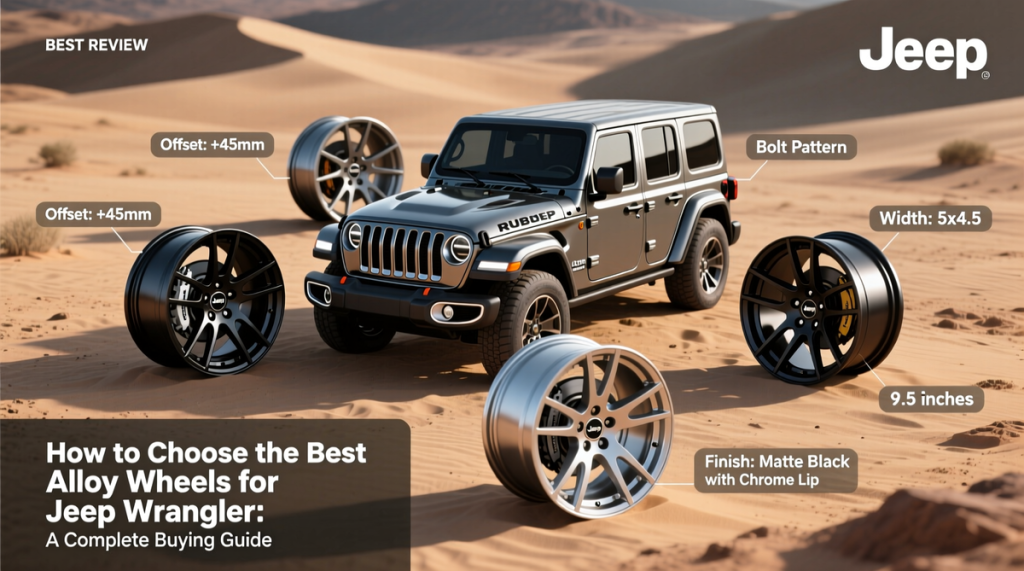
When exploring wheel options for your Jeep, it's crucial to understand what wheel offset is. This measurement refers to the distance between the mounting surface of the wheel and its centerline. It influences how your tires fit within your Jeep’s wheel wells. Understanding this baseline will help you make informed decisions as we move forward.
Types of Wheel Offset
- Positive Offset: The mounting surface is closer to the front of the wheel. This leads to better clearance for larger brake calipers but may cause the tire to sit too far inward.
- Negative Offset: The mounting surface is closer to the inside edge of the wheel. This creates a wider stance, enhancing stability and aesthetics.
- Zero Offset: The mounting surface is exactly at the wheel's centerline. This is often a safe middle-ground choice.
Factors to Consider for Wheel Offset
Choosing the right wheel offset involves balancing various factors. Here are some key considerations:
- Tire Size: Larger tires may require a negative offset to avoid rubbing.
- Suspension Mods: Lift kits can change the geometry of your Jeep, impacting the ideal offset.
- Off-Roading Needs: A wider stance may benefit stability on rugged terrain.
- Aesthetic Preferences: Decide how far you want your wheels to stick out from the body.
Personal Experience with Wheel Offset Choices
In my years of modifying Jeeps, I've found that understanding your specific needs is crucial. For example, when I upgraded to 35-inch tires, a negative offset provided the clearance I needed for off-roading. However, it’s important to note that too much negative offset can strain your suspension components.
Practical Tips for Selecting the Right Offset
- Consult with Experts: Talk to Jeep specialists who understand the intricate dynamics of wheel and suspension setups.
- Test Rides: If possible, test drive Jeeps with similar setups to get a feel for different offsets.
- Balance Performance and Style: Remember, the coolest looking setup might not always perform the best off-road.
Frequently Asked Questions about Wheel Offset for Jeep Tips
What is the best wheel offset for off-roading?
A negative offset widens the wheel stance, offering more stability and grip on uneven terrain.
Can a wrong wheel offset affect my Jeep's handling?
Yes, incorrect offset can lead to poor handling, increased tire wear, or suspension damage.
How does wheel offset impact appearance?
The right offset can enhance your Jeep's stance, making it look more aggressive and ready for action.
Is it necessary to change the wheel offset when installing larger tires?
Often, yes. A different offset may be needed to prevent the tires from rubbing on the fenders.
Do all Jeep models use the same wheel offset?
No, offsets can vary based on Jeep models and modifications like lift kits or brake upgrades.
Conclusion
Choosing the correct wheel offset for your Jeep is about finding the right balance between style, performance, and functionality. By understanding your vehicle's needs and taking the time to consult with experts, you can achieve the perfect fit. Ready to dive deeper? Explore further resources or leave a comment to join the conversation with fellow Jeep enthusiasts.
- Best Wheel Kits for Jeep Liberty: Top Picks for Smooth Rides
- Best Wheel Kits for Jeep Cherokee: Enhance Performance and Stability
- Best Wheel Kits for Jeep Grand Cherokee: Top Picks for Smooth Rides
- Best Wheel Kits for Jeep Wrangler: Top Picks for Enhanced Performance
- Best Wheel Kits for Jeep Renegade: Top Upgrades for Your Ride
- Best for Jeep Wrangler Wheel Spacers: Top Choices for Enhanced Performance