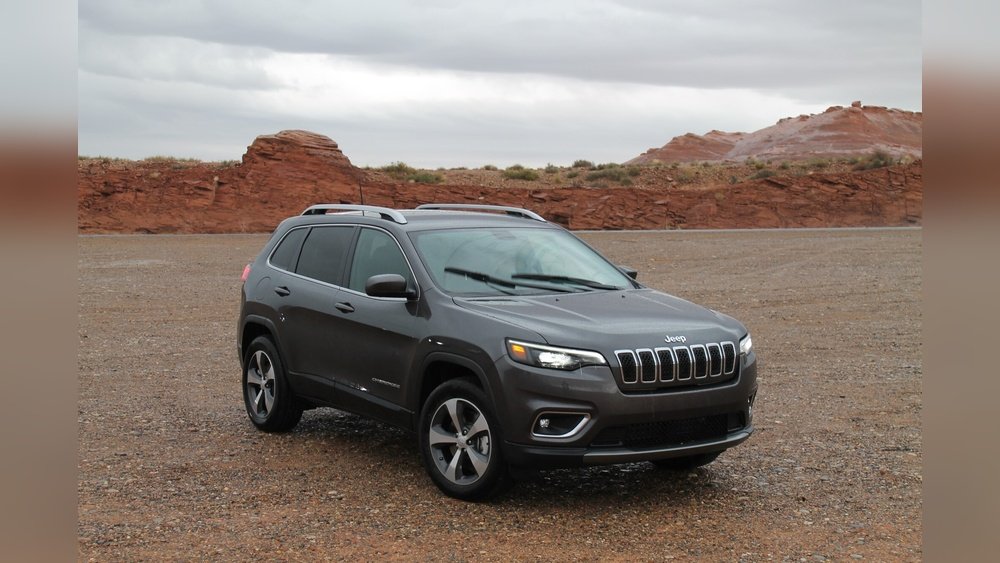
If you own a Jeep Cherokee, you know it’s a great vehicle—but like any car, it can have its problems. You might be worried about unexpected breakdowns or costly repairs.
What if you could spot common issues early and fix them before they become a big headache? You’ll discover the most frequent Jeep Cherokee problems and simple solutions that save you time and money. Keep reading to protect your ride and enjoy every drive with confidence.
Engine Problems
The Jeep Cherokee is known for its strong engine, but some common problems can affect its performance. These issues often cause frustration and may lead to costly repairs. Understanding the typical engine problems helps you spot trouble early. This guide covers rough idle, stalling, check engine light causes, and oil leaks.
Rough Idle And Stalling
A rough idle means the engine shakes or runs unevenly when stopped. This problem can cause stalling, making the engine shut off suddenly. Dirty fuel injectors or a faulty idle air control valve often cause this. Cleaning or replacing these parts usually fixes the issue. Regular maintenance keeps the engine running smoothly.
Check Engine Light Causes
The check engine light signals many possible engine issues. Common causes include a loose gas cap, bad oxygen sensors, or failing spark plugs. Ignoring this warning can lead to bigger problems. Running a diagnostic test helps find the exact cause. Fixing the problem early prevents engine damage and saves money.
Oil Leaks And Consumption
Oil leaks reduce engine lubrication and cause damage over time. Leaks often come from worn gaskets or seals. High oil consumption means the engine uses too much oil between changes. Both problems need quick attention. Regular oil checks and timely changes protect the engine and improve performance.
Credit: thelandautorepair.com
Transmission Troubles
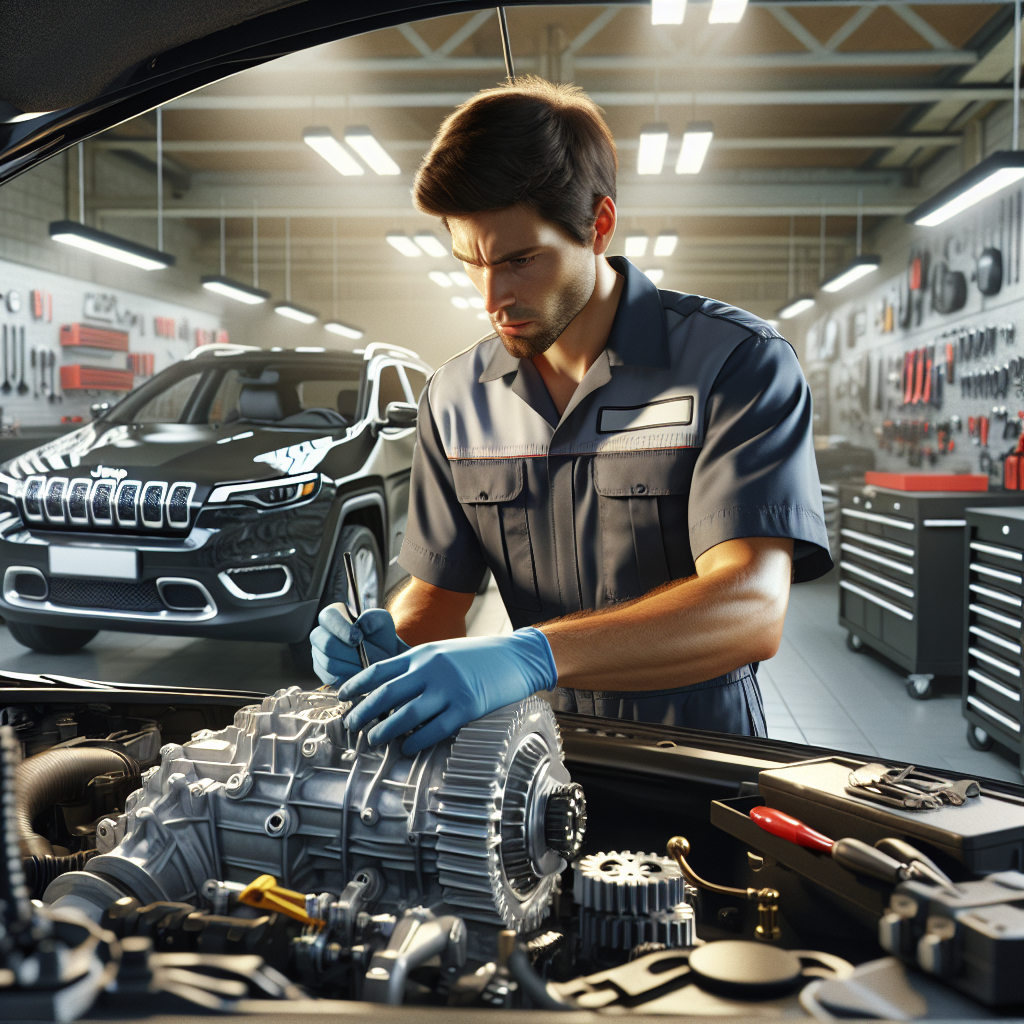
The Jeep Cherokee is known for its rugged design and off-road capability. Yet, many owners face transmission troubles. These issues can affect driving safety and comfort. Understanding common problems helps prevent bigger damage. Regular care keeps your Cherokee shifting smoothly.
Shifting Delays And Slips
Shifting delays happen when the transmission hesitates to change gears. The engine may rev high before the gear changes. Slips occur when the transmission shifts unexpectedly or feels loose. Both problems cause jerky or rough rides. These issues often signal worn clutch plates or low transmission fluid.
Transmission Fluid Maintenance
Transmission fluid keeps the system cool and lubricated. Dirty or low fluid leads to poor shifting and overheating. Check the fluid level regularly using the dipstick. Change the fluid every 30,000 to 60,000 miles. Using the correct fluid type is important. Proper maintenance extends the transmission’s life and improves performance.
Common Transmission Repairs
Transmission repairs vary by problem severity. Minor fixes include fluid flushes and filter replacements. More serious repairs involve fixing solenoids, seals, or clutch packs. Some cases require a transmission rebuild or replacement. Early detection of problems reduces repair costs. Always consult a trusted mechanic for accurate diagnosis and repair.
Electrical System Issues
The electrical system in a Jeep Cherokee plays a vital role in its performance. Problems in this system can cause many troubles. These issues affect the car’s starting, lights, and other electronic parts.
Understanding common electrical problems helps you spot them early. This saves time and money on repairs. Below are some frequent electrical issues and their solutions.
Battery And Alternator Failures
The battery and alternator work together to power the Jeep. A dead battery stops the engine from starting. Alternator failure causes the battery to drain quickly.
Signs of battery issues include dim lights and slow engine crank. For alternator problems, watch for flickering lights and warning sounds. Testing both parts regularly can prevent breakdowns.
Faulty Wiring And Connections
Wiring problems often cause electrical faults. Loose or corroded connections disrupt power flow. Wires can wear out due to heat or damage.
Check wires for cracks or breaks. Tighten all electrical connections. Repair or replace damaged wires to avoid shorts or failures.
Dashboard Warning Lights
Dashboard lights alert you to electrical troubles. Common lights include battery, check engine, and ABS warnings. These lights indicate issues needing immediate attention.
Use a scanner to read error codes. This helps identify the exact problem. Address warning lights promptly to keep your Jeep safe and reliable.
Suspension And Steering
The suspension and steering system of the Jeep Cherokee plays a key role in ride comfort and safety. These parts absorb bumps and help you control the vehicle. Problems in these areas can make driving difficult and unsafe. Understanding common issues helps you spot them early and fix them properly.
Noisy Suspension Components
Strange sounds from the suspension are a common issue. Clunks or squeaks may come from worn bushings or shock absorbers. Dirt and rust can cause parts to rub and make noise. Replacing damaged parts or lubricating joints often solves this problem. Timely repairs keep your ride smooth and quiet.
Steering Wheel Vibration
A shaking steering wheel can signal trouble. This vibration may happen while driving at certain speeds. It often points to unbalanced tires or worn steering parts. Checking tire balance and inspecting steering links helps find the cause. Fixing these issues improves control and driving comfort.
Alignment And Handling Problems
Poor alignment leads to uneven tire wear and pulling to one side. You may notice the vehicle feels loose or hard to steer. Alignment issues can result from hitting potholes or curbs. Getting a professional alignment restores proper handling. Regular checks prevent further damage and keep driving safe.
Heating And Cooling System
The heating and cooling system in a Jeep Cherokee keeps the engine at the right temperature. It also provides warmth inside the cabin during cold weather. Problems in this system can cause discomfort and engine damage. Understanding common issues helps you fix them quickly.
Radiator Leaks And Overheating
Radiator leaks often cause the engine to overheat. Small cracks or holes allow coolant to escape. Low coolant levels reduce the system’s ability to cool the engine. Overheating can damage engine parts and lead to costly repairs. Check the radiator for visible leaks and listen for hissing sounds. Replace damaged hoses or the radiator if needed. Regular coolant changes help prevent rust and buildup.
Heater Core Blockages
The heater core warms the cabin air using engine heat. Blockages can stop warm air from reaching inside. Dirt, rust, or debris often cause these blockages. Symptoms include weak airflow or no heat at all. Flushing the heater core can clear blockages and restore heat. Use proper cleaning solutions to avoid damage. If flushing fails, consider replacing the heater core.
Thermostat Replacement Tips
The thermostat controls coolant flow in the engine. A faulty thermostat can cause overheating or poor heating. Signs include temperature fluctuations or heater problems. Replace the thermostat when the engine is cool to avoid burns. Use a new gasket to prevent leaks during installation. Test the thermostat before fully assembling the system. Proper replacement improves engine temperature control and cabin comfort.
Fuel System Concerns
The fuel system plays a vital role in your Jeep Cherokee’s performance. Fuel system issues can cause poor engine response, stalling, and low fuel efficiency. Understanding common problems helps you keep your vehicle running smoothly. Below are key concerns and practical solutions for the fuel system.
Fuel Pump Failures
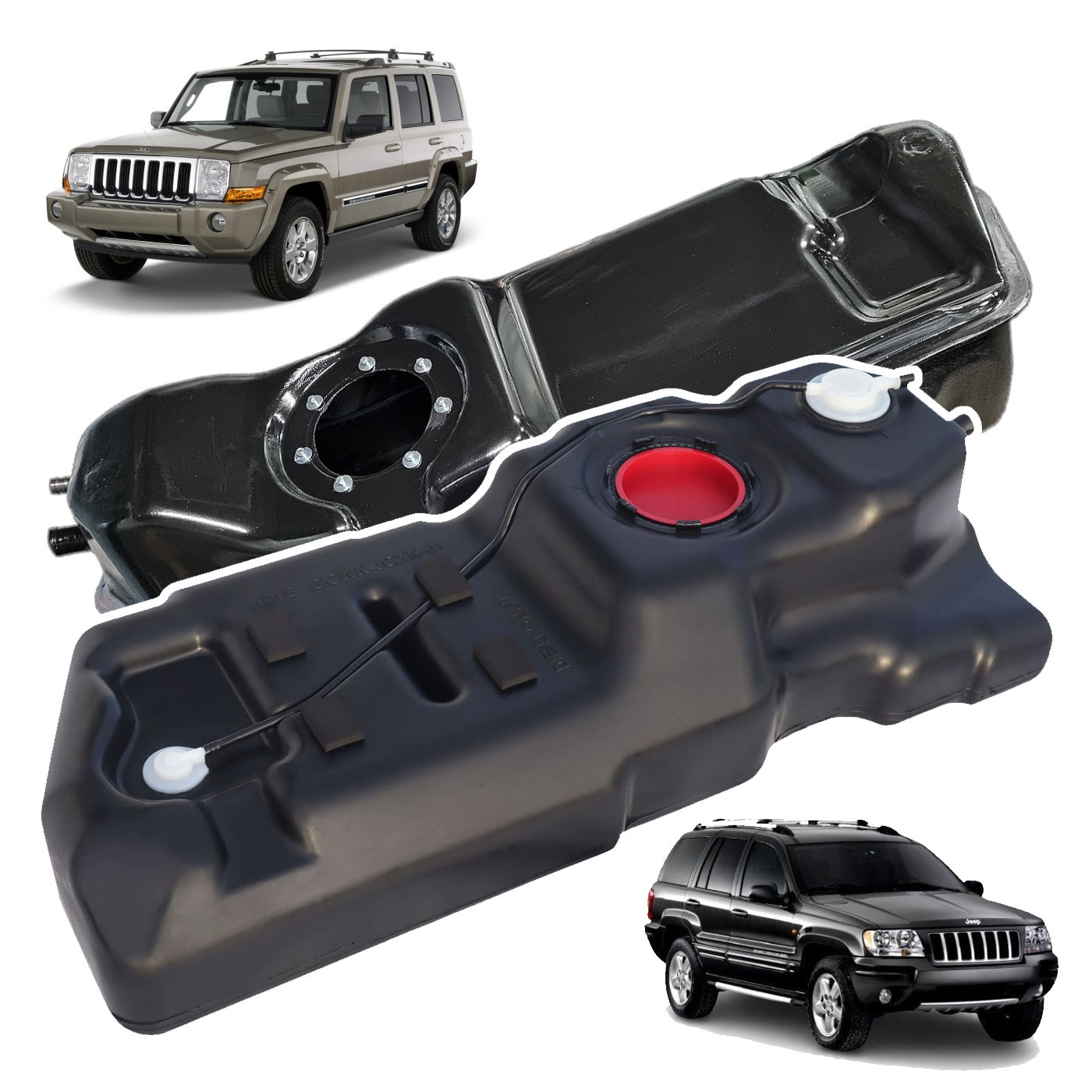
The fuel pump sends gas from the tank to the engine. Over time, fuel pumps can wear out or fail. Symptoms include engine sputtering, difficulty starting, or loss of power. Replacing a faulty pump restores proper fuel flow and engine performance.
Clogged Fuel Injectors
Fuel injectors spray fuel into the engine cylinders. Dirt and debris can clog these small parts. This causes rough idling, poor acceleration, and higher emissions. Cleaning or replacing injectors improves fuel delivery and engine smoothness.
Fuel Filter Maintenance
The fuel filter traps dirt before it reaches the engine. A clogged filter reduces fuel flow and engine power. Regularly changing the fuel filter prevents blockages and keeps the fuel system healthy. Follow the Jeep Cherokee’s maintenance schedule for best results.
Brake System Faults
The brake system in a Jeep Cherokee plays a vital role in safety. Faults in this system can lead to dangerous driving conditions. Understanding common brake issues helps drivers act quickly. Fixing these problems early saves money and prevents accidents.
Squeaking And Grinding Noises
Squeaking noises often mean worn brake pads. The sound warns that pads need replacing. Grinding noises are more serious. They show metal parts rubbing together. This can damage rotors and increase repair costs. Check brakes immediately if these sounds appear.
Brake Pad And Rotor Wear
Brake pads wear down with use. Thin pads reduce braking power and safety. Rotors can also wear or warp over time. Warped rotors cause vibrations when braking. Regular inspection helps spot wear early. Replacing pads and rotors keeps brakes working well.
Abs Warning Light Issues
The ABS light on the dashboard signals a problem. The Anti-lock Braking System stops wheels from locking. A faulty ABS can affect car control during hard braking. Common causes include sensor failures or wiring problems. A professional scan can identify the exact issue.

Credit: presensi.perpusnas.go.id
Common Interior Problems
The Jeep Cherokee offers a comfortable interior but some common problems affect daily use. These issues can cause frustration and reduce comfort. Understanding these problems helps in finding easy solutions.
Many owners report problems with power windows, door locks, and dashboard wear. These issues happen over time and can often be fixed without big costs. Knowing what to check can save time and money.
Faulty Power Windows
Power windows in the Jeep Cherokee sometimes stop working or move slowly. This problem often comes from a bad window motor or a broken switch. Dirt and moisture can also cause the window tracks to stick.
Cleaning the tracks and testing the motor can help find the issue. Replacing the motor or switch usually fixes the problem. Regular maintenance can prevent window problems.
Door Lock Malfunctions
Door locks may fail to lock or unlock properly. This issue can come from worn-out lock actuators or electrical faults. Sometimes the key fob stops working due to a weak battery.
Checking the actuator and replacing it if needed often solves the problem. Battery replacement in the key fob restores remote locking function. Manual locking can be a temporary fix.
Dashboard And Console Wear
The dashboard and center console can show signs of wear, such as cracks or fading. Sun exposure and heat cause most damage. These problems affect the vehicle’s appearance and comfort.
Using sunshades and cleaning products designed for dashboards helps prevent damage. Repair kits are available to fix small cracks. Replacing worn parts may be necessary for severe cases.
Routine Maintenance Tips
Routine maintenance keeps your Jeep Cherokee running smoothly. It helps avoid major repairs. Regular care extends your vehicle’s life. Simple checks save money and time. Here are some key tips to follow.
Regular Fluid Checks
Fluids are the lifeblood of your Jeep Cherokee. Check engine oil, coolant, brake fluid, and transmission fluid often. Low or dirty fluids cause engine damage. Top up fluids as needed. Use the right type for your model. Clean fluids ensure smooth driving and prevent overheating.
Scheduled Inspections
Follow the Jeep Cherokee service schedule. Inspect brakes, tires, belts, and hoses regularly. Look for wear and tear signs. Early detection stops small problems from growing. Keep records of inspections and repairs. Scheduled checks help keep your Jeep safe and reliable.
Diy Fixes And When To Seek Help
Simple tasks like changing air filters or replacing windshield wipers you can do yourself. Use the owner’s manual for guidance. More complex issues need a professional mechanic. Strange noises, warning lights, or performance drops require expert attention. Know your limits to avoid costly mistakes.
Credit: plasticautotank.com
Frequently Asked Questions
What Are The Most Common Jeep Cherokee Issues?
Common issues include transmission problems, electrical faults, and engine stalling. Many owners report rough shifting and sensor failures. These problems often arise due to wear and tear or software glitches. Regular maintenance can help reduce these issues significantly.
How To Fix Jeep Cherokee Transmission Problems?
Transmission issues often require software updates or fluid changes. Some cases need parts replacement like solenoids or sensors. Early diagnosis prevents costly repairs. Always consult a certified mechanic for accurate transmission troubleshooting and repairs.
Why Does Jeep Cherokee Engine Stall Unexpectedly?
Engine stalling can result from faulty sensors, fuel system problems, or ignition issues. Dirty fuel injectors and clogged filters also cause stalls. Timely inspection and replacing worn components help maintain smooth engine performance.
How To Troubleshoot Jeep Cherokee Electrical Problems?
Electrical issues commonly involve battery, alternator, or wiring faults. Check for blown fuses and loose connections first. Using a diagnostic scanner can pinpoint specific problems. Addressing electrical faults early prevents further damage.
Conclusion
Jeep Cherokee owners often face a few common problems. Knowing these issues helps you fix them quickly. Regular care keeps your Jeep running smooth and safe. Small repairs now stop big troubles later. Stay alert to warning signs during driving.
This way, you protect your vehicle and yourself. Understanding these problems saves time and money. Enjoy your Jeep Cherokee with fewer worries ahead.