If you drive a Jeep Wrangler, you know how important it is to have reliable brakes. Worn-out brake pads can put your safety at risk and affect your driving experience.
But don’t worry—upgrading your brake pads is easier than you might think. In this guide, you’ll learn simple, step-by-step instructions to replace your brake pads quickly and confidently. By the end, you’ll have stronger, smoother brakes that keep you in control on every adventure.
Ready to boost your Jeep’s stopping power? Let’s get started!
Tools And Materials Needed
Upgrading the brake pads on your Jeep Wrangler needs the right tools and materials. Having everything ready makes the job smooth and safe. This section lists what you need before starting the upgrade.
Essential Tools
Start with a good set of wrenches and sockets. A lug wrench will help remove the wheel easily. Use a C-clamp to press the brake caliper piston back. A jack and jack stands keep the vehicle lifted and secure. Don’t forget a flat-head screwdriver to pry off old pads.
Choosing The Right Brake Pads
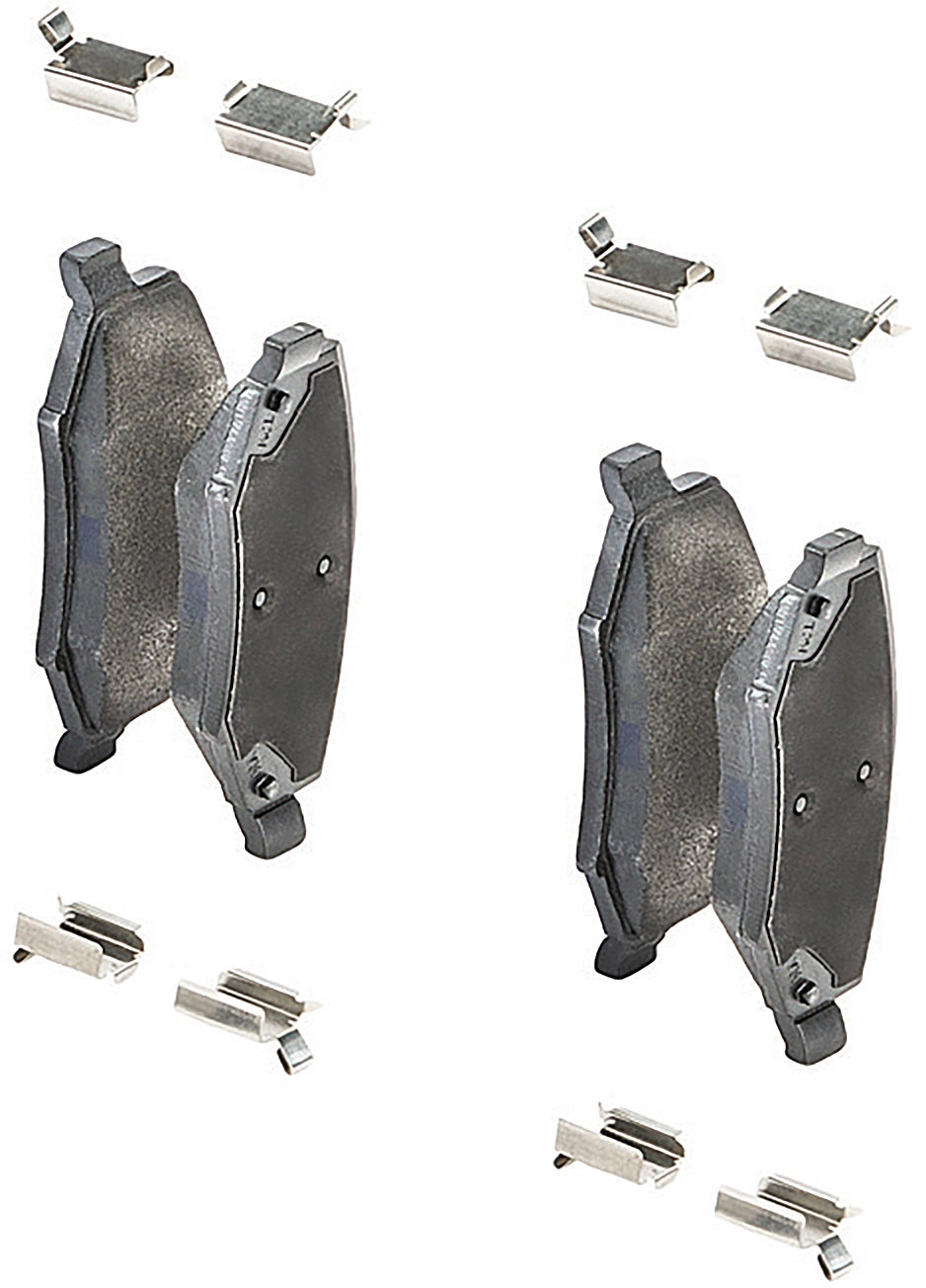
Select brake pads made for Jeep Wranglers. Ceramic pads offer quieter braking and less dust. Semi-metallic pads provide better performance but can be noisier. Check the pad size and shape to match your model year. Quality pads ensure longer life and safer stops.
Safety Gear
Wear safety glasses to protect your eyes from dust and debris. Use gloves to keep your hands clean and safe. A dust mask prevents inhaling brake dust. Make sure the work area is well-lit and ventilated. Safety first keeps the upgrade hassle-free.
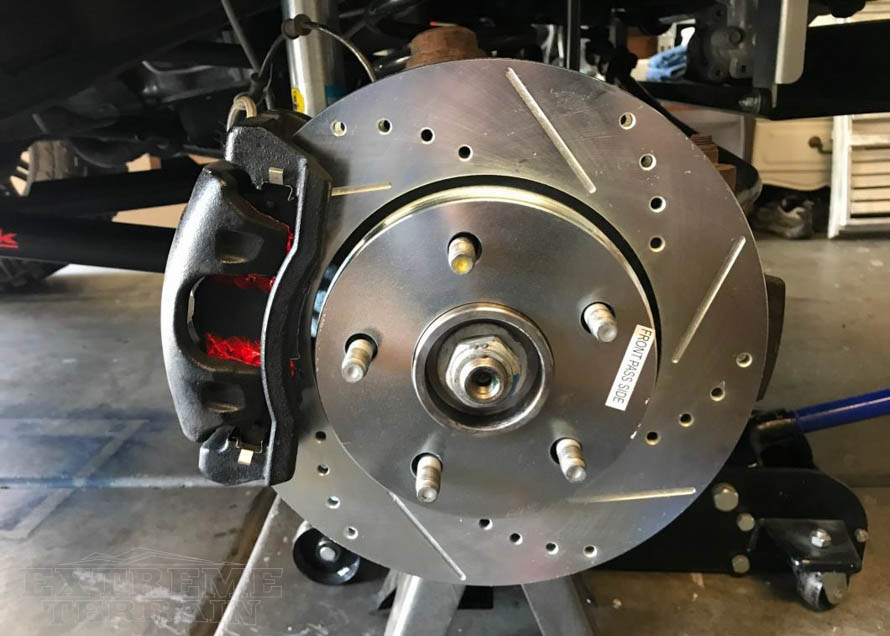
Credit: www.extremeterrain.com
Preparing The Jeep Wrangler
Preparing your Jeep Wrangler is the first step in upgrading brake pads safely and efficiently. This process ensures your vehicle stays stable and secure while you work. Taking time to prepare helps prevent accidents and makes the job easier.
Start by creating a safe workspace. Clear the area around your Jeep to avoid any obstacles. Use tools that are in good condition to avoid delays during the upgrade.
Parking And Securing The Vehicle
Park your Jeep Wrangler on a flat, level surface. This prevents the vehicle from rolling. Engage the parking brake firmly. Place wheel chocks behind the tires that will stay on the ground. This adds extra security. Turn off the engine and remove the key. Avoid working under the vehicle without proper support.
Removing The Wheels
Loosen the lug nuts on the wheels before lifting the Jeep. Use a lug wrench for better grip. Use a jack to lift the vehicle at the correct lift points. Raise the Jeep until the wheel is off the ground. Remove the lug nuts completely and take the wheel off. Keep the nuts in a safe place. This step gives you access to the brake components easily.
Removing Old Brake Pads
Removing old brake pads is a key step in upgrading your Jeep Wrangler’s brakes. This process requires care and attention to ensure safety and proper installation of new pads. Follow these simple steps to remove the worn-out pads correctly.
Locating The Brake Caliper
Start by finding the brake caliper. It sits over the brake rotor near the wheel. The caliper holds the brake pads in place. You will need to remove it to access the pads.
Detaching The Caliper
Use a wrench to loosen the caliper bolts. Be careful not to drop the caliper once loose. Support it with a wire or rest it on a stable surface. This prevents damage to the brake line.
Taking Out The Old Pads
Slide the old brake pads out of the caliper bracket. They may be stuck due to wear or rust. Gently pry them loose if needed. Check the pads for uneven wear or damage before discarding.
Credit: www.quadratec.com
Installing New Brake Pads
Installing new brake pads on your Jeep Wrangler is a key step in ensuring safe and smooth braking. This process involves careful handling of brake parts and precise placement of the pads. Follow the steps below to install the new brake pads correctly.
Cleaning The Brake Components
Start by cleaning the brake components. Remove dust and dirt using a wire brush or brake cleaner. Clean surfaces help the new pads fit well and work better. Avoid touching the rotor or pads with oily hands. Clean parts prevent noise and uneven wear.
Positioning The New Pads
Next, place the new brake pads into the caliper bracket. Make sure the friction surface faces the rotor. Align the pads properly to avoid rubbing or uneven braking. Check that the pads sit firmly without moving. Proper positioning ensures good brake performance.
Reattaching The Caliper
Finally, carefully put the caliper back over the new pads. Secure it with the bolts removed earlier. Tighten bolts to the manufacturer’s recommended torque. Double-check the caliper moves smoothly. This step completes the brake pad installation and readies your Jeep for the road.
Finishing Up
After installing new brake pads on your Jeep Wrangler, it is time to finish the job carefully. The last steps are important to ensure safety and proper brake function. Follow each task closely to complete the upgrade smoothly.
Reinstalling The Wheels
Place the wheels back onto the Jeep. Align the holes with the wheel studs. Hand-tighten the lug nuts first. Use a wrench to tighten them in a star pattern. This helps the wheel sit evenly. Do not fully tighten yet.
Lowering The Jeep
Slowly lower your Jeep from the jack stands. Make sure it sits firmly on the ground. Remove the jack carefully. Once on the ground, use a torque wrench. Tighten the lug nuts to the correct torque. This keeps the wheels secure while driving.
Testing The Brakes
Before driving, test the brakes gently. Press the brake pedal a few times. It should feel firm and responsive. Drive slowly in a safe area. Check if the brakes stop the Jeep smoothly. Listen for strange noises or vibrations. Confirm the new pads work well.
Tips For Maintenance
Keeping your Jeep Wrangler’s brake pads in good shape is important for safety. Proper care helps your brakes work well longer. It also saves money on repairs and replacements.
Simple habits can keep your brake pads strong. Regular checks and smart driving can make a big difference. Learn when to change your brake pads and how to extend their life.
When To Replace Brake Pads
Brake pads wear down over time. Listen for squeaking or grinding noises. These sounds often mean the pads need replacement.
Check the thickness of the pads. If they are less than 3mm thick, replace them. Also, if your Jeep feels less responsive when braking, it is time to inspect the pads.
Extending Brake Pad Life
Avoid hard braking to save your brake pads. Slow down gradually instead of stopping fast. This reduces wear and tear.
Keep your Jeep’s brake system clean. Dirt and dust can damage brake pads. Regularly wash the wheels and brake parts.
Drive carefully on rough roads. Bumpy roads increase brake pad wear. Smooth driving helps your brakes last longer.

Credit: rebeloffroad.com
Frequently Asked Questions
How Often Should Jeep Wrangler Brake Pads Be Replaced?
Brake pads on a Jeep Wrangler typically last 30,000 to 70,000 miles. Replace them sooner if you hear squealing or feel reduced braking power. Regular checks ensure safety and optimal performance.
What Tools Are Needed To Upgrade Jeep Wrangler Brake Pads?
You need a jack, lug wrench, C-clamp, socket set, and brake cleaner. Having gloves and safety glasses is also recommended for protection during the upgrade process.
Can I Upgrade Brake Pads On My Jeep Wrangler Myself?
Yes, upgrading brake pads is a doable DIY task with basic mechanical skills. Follow step-by-step instructions carefully for safety and effectiveness. Consult your vehicle manual for specific details.
What Type Of Brake Pads Is Best For Jeep Wrangler?
Ceramic brake pads are quiet and produce less dust, ideal for daily driving. Semi-metallic pads offer better heat resistance and durability, suitable for off-road or heavy use.
Conclusion
Upgrading brake pads on your Jeep Wrangler keeps your vehicle safe and reliable. Taking time to follow each step carefully makes the job easier. New brake pads improve stopping power and driving confidence. Regular maintenance helps avoid costly repairs later.
Remember to check your brakes often for signs of wear. A well-maintained Jeep handles better on all kinds of roads. Taking care of your brakes protects you and others on the road. Simple tasks like this save money and give peace of mind.